FW26
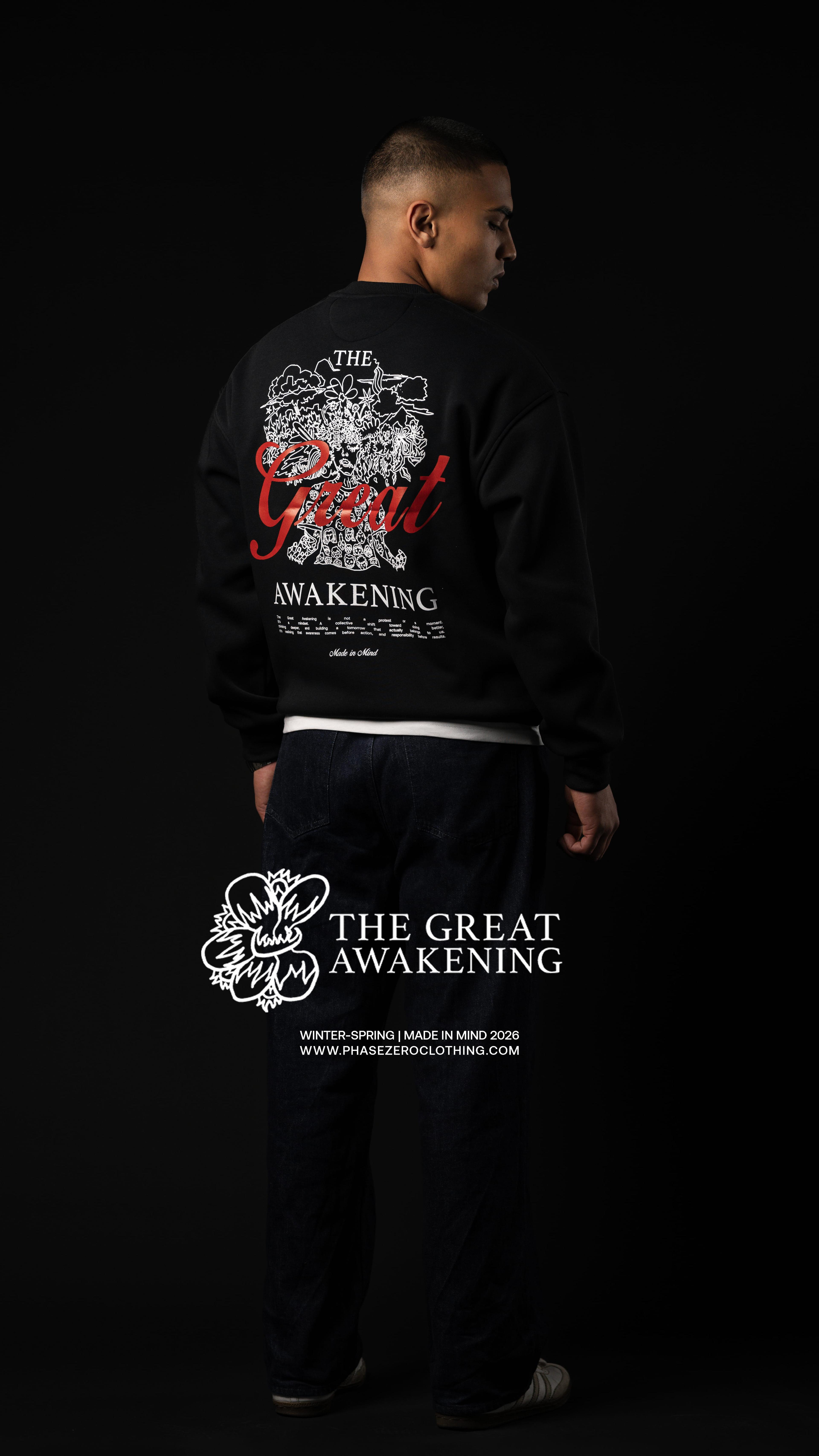
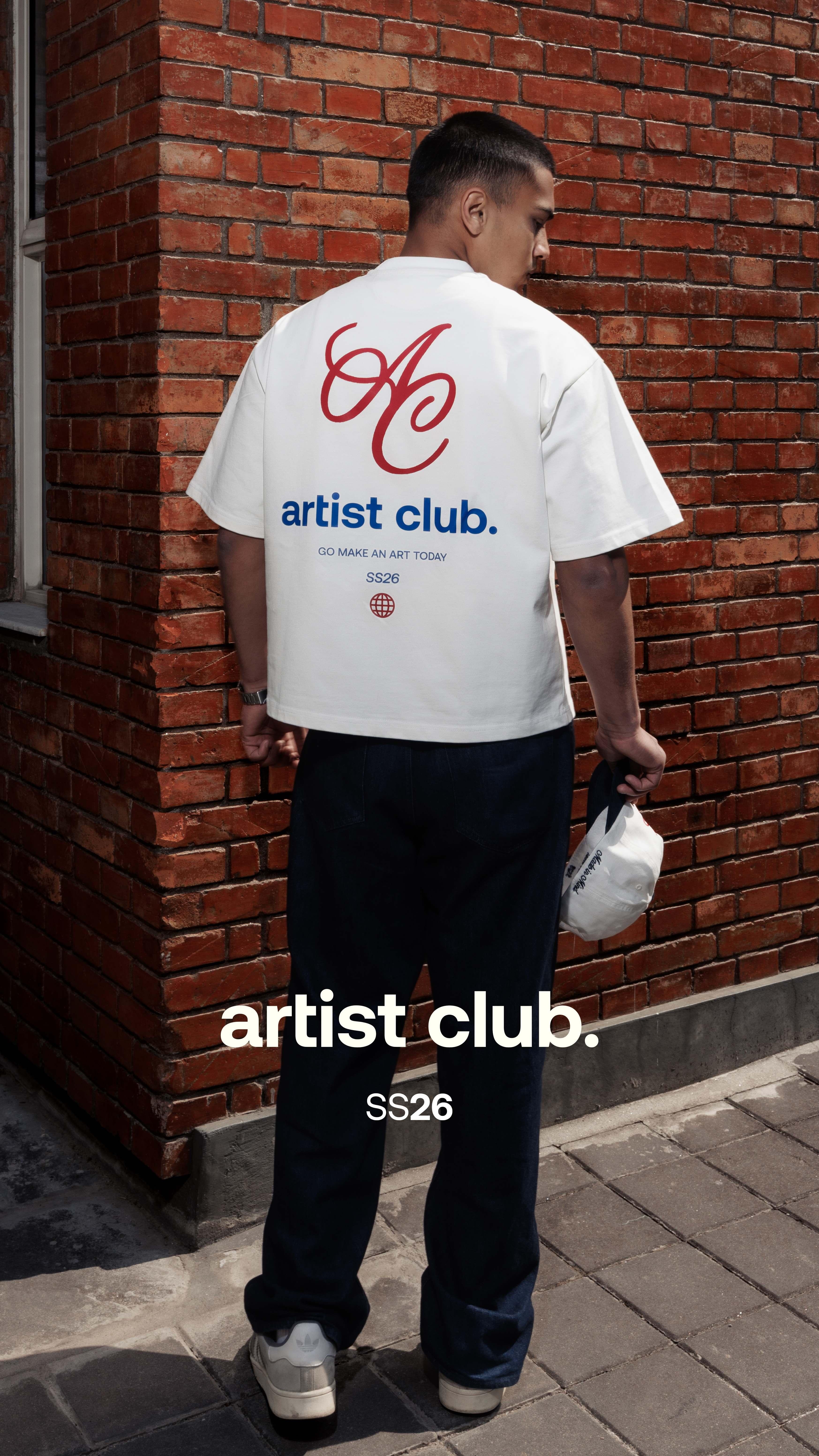
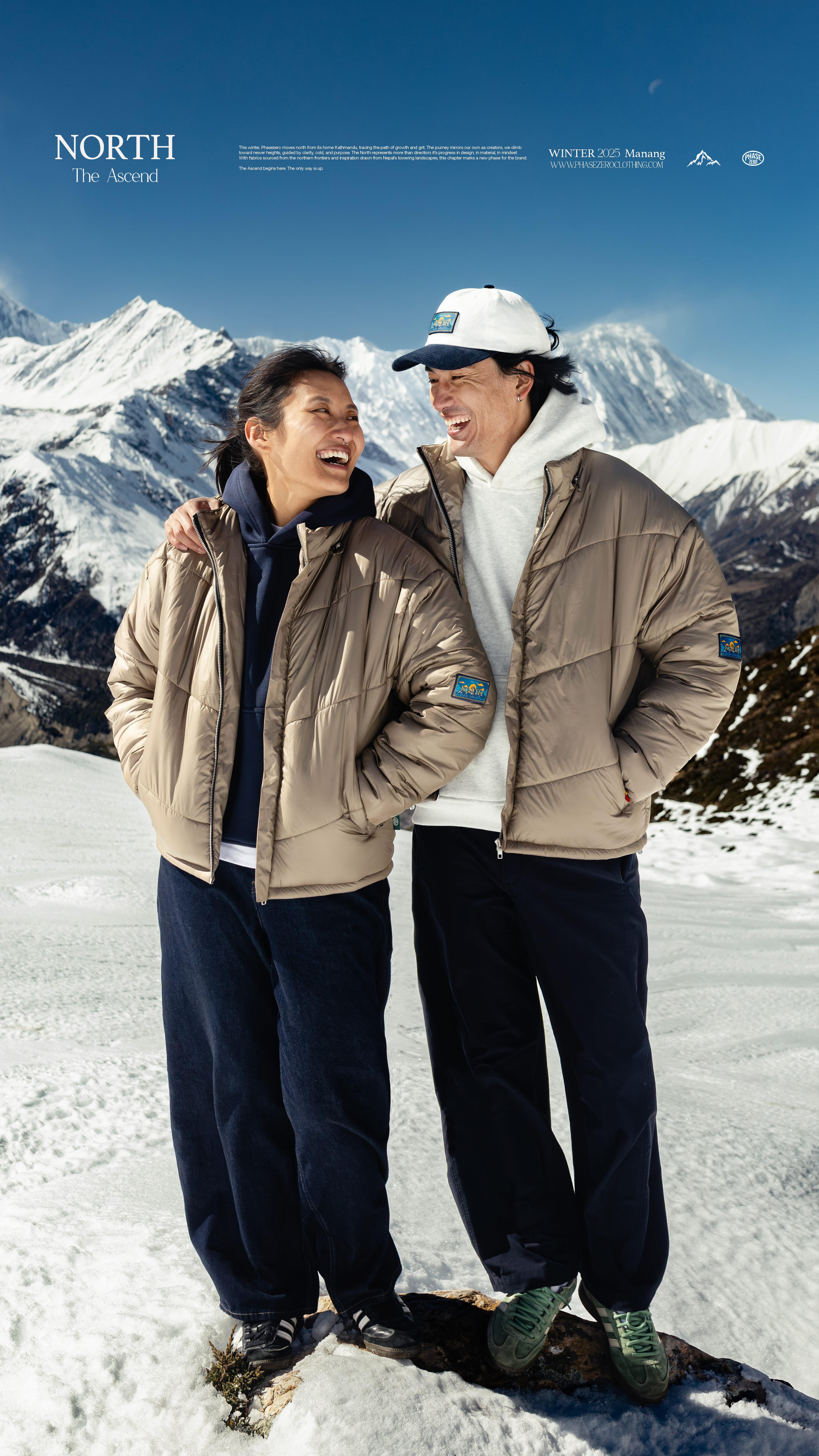
FW26 by Phasezero captures the colder season through relaxed silhouettes, nostalgic graphics, and familiar winter layers. Inspired by childhood memories, festive days, and the pull of home, the collection blends warmth with everyday ease across outerwear, hoodies, sweatshirts, trackpants, and knitwear. A reflection of winter through the Phasezero lens; familiar, expressive, and culturally aware.
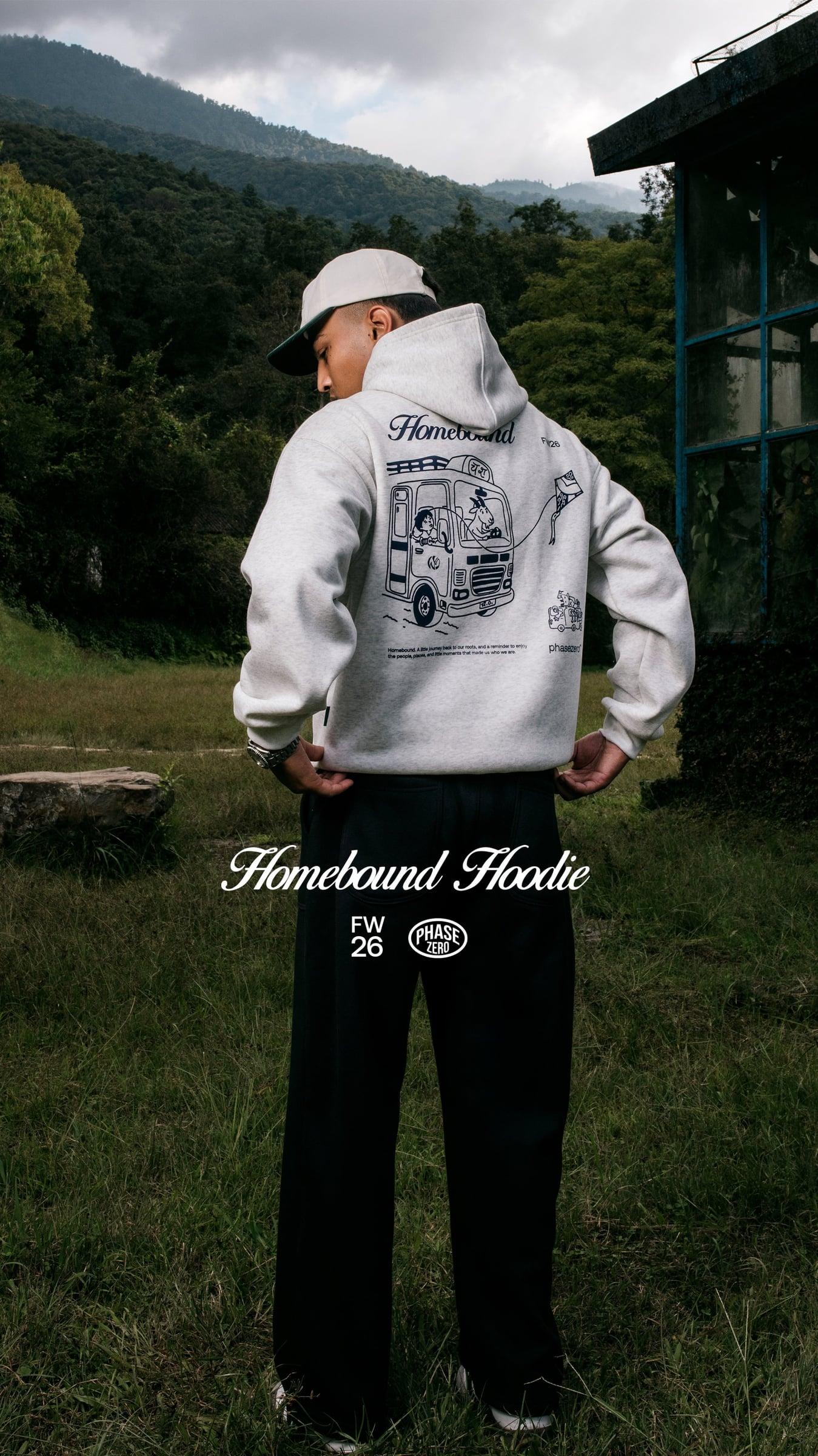
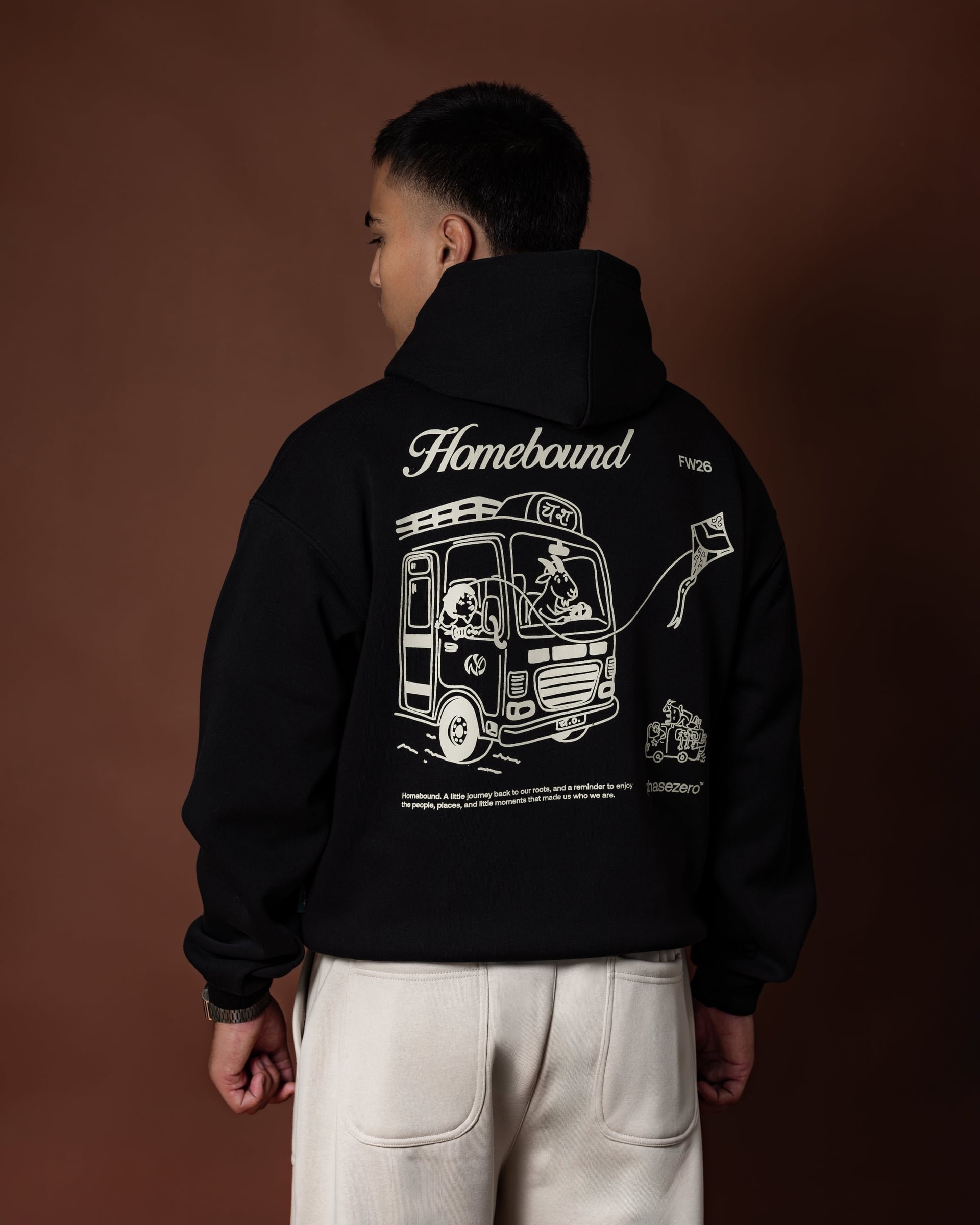
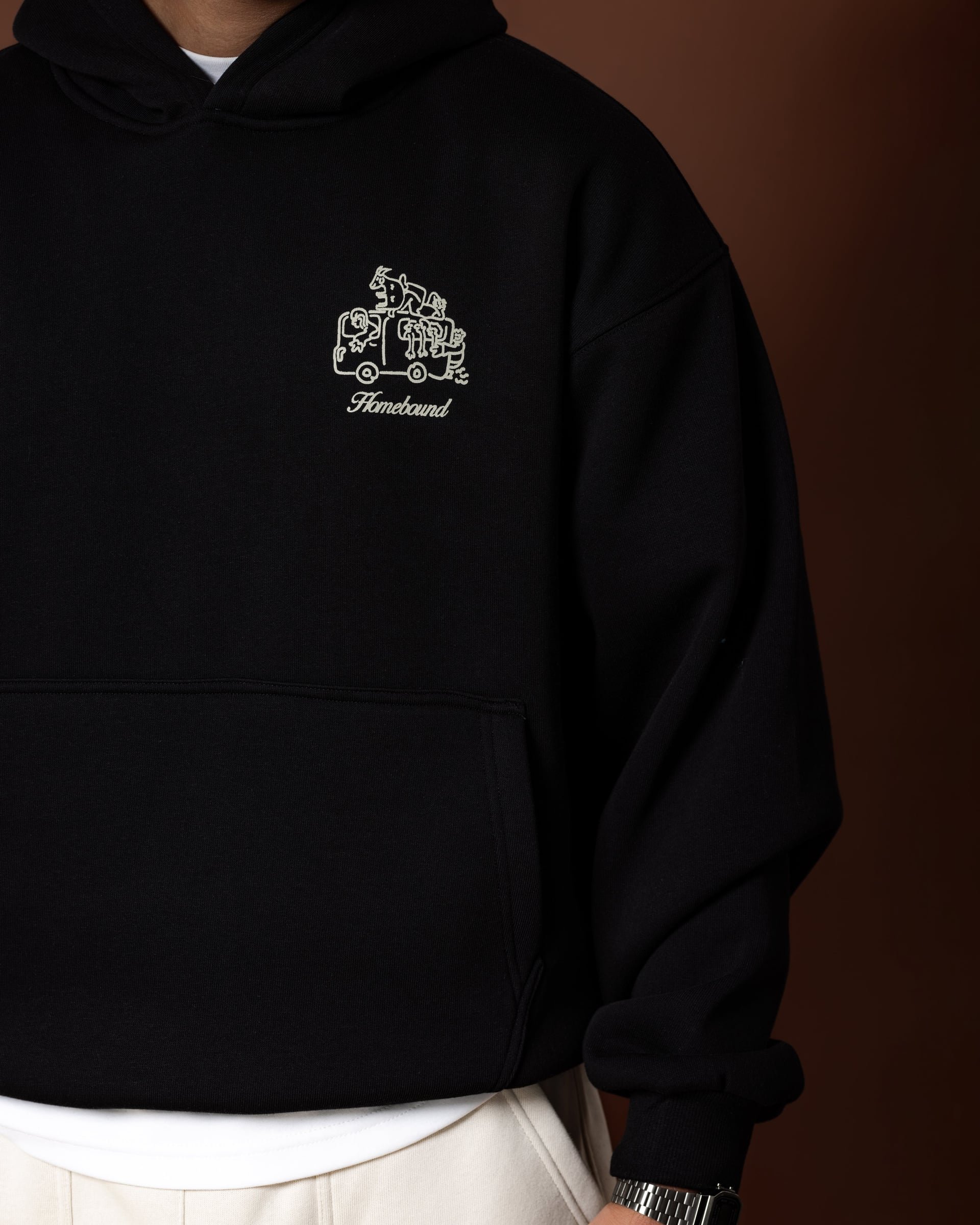
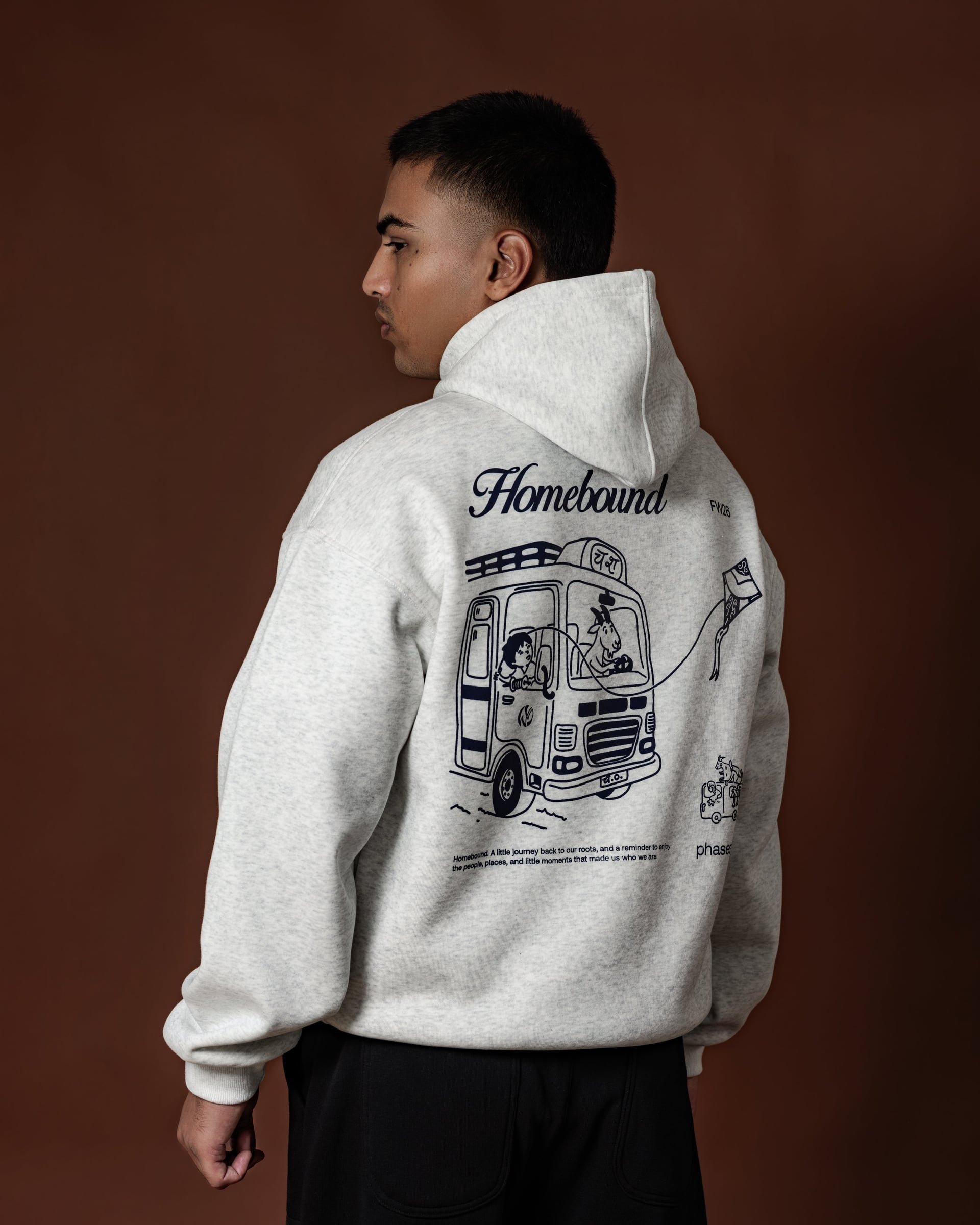
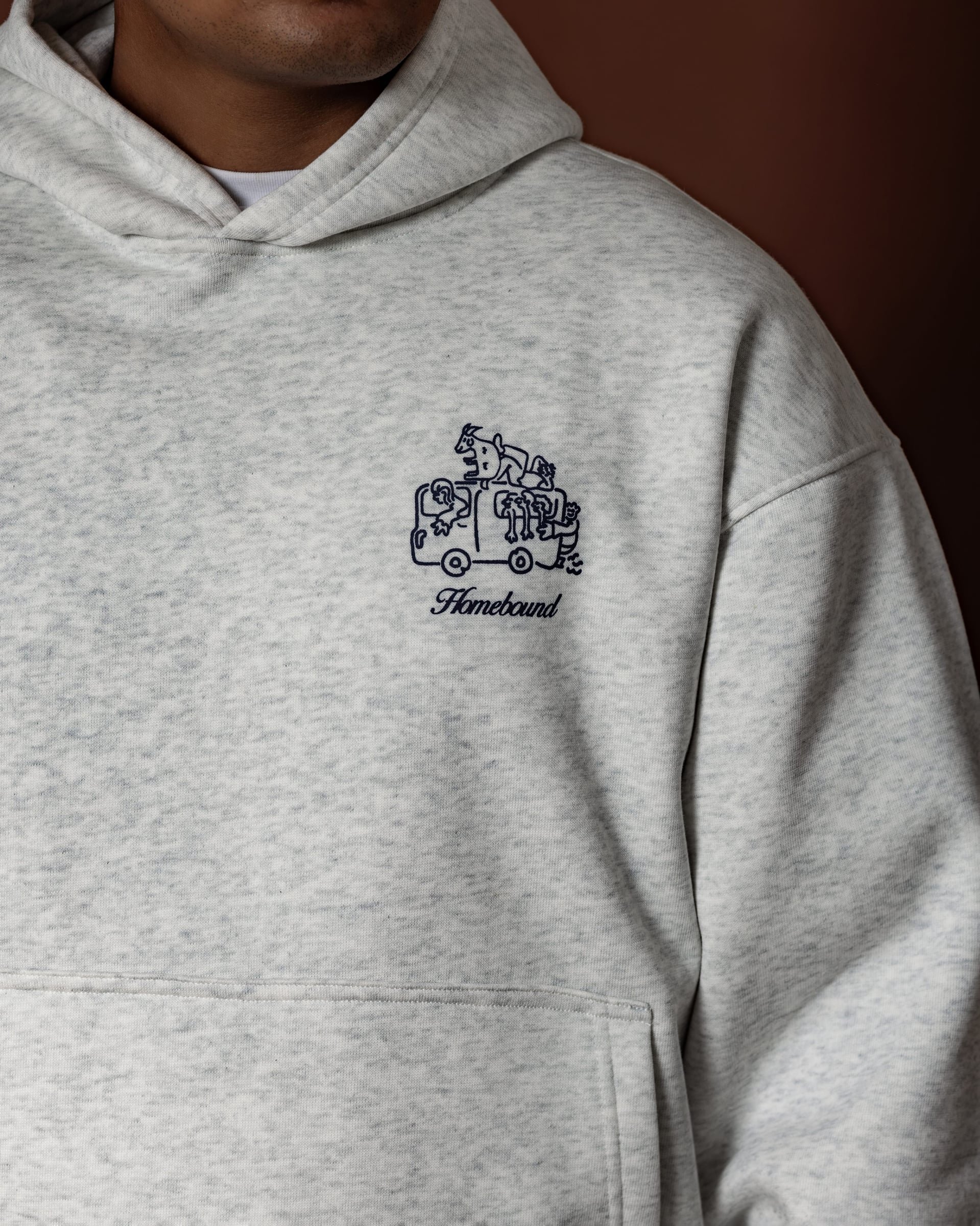
Homebound hoodie
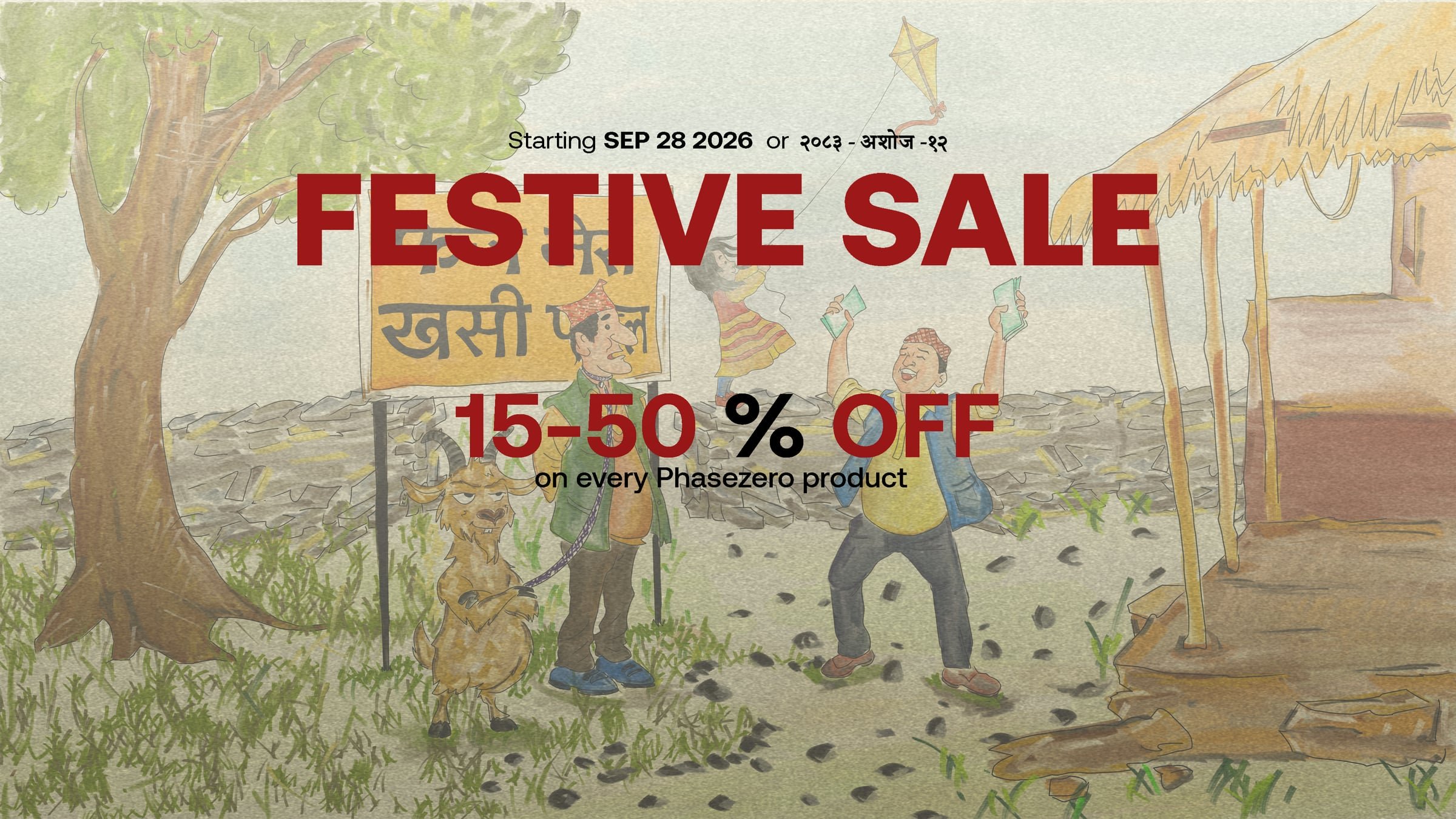
Homebound captures the feeling of Dashain the time of year when people leave the city and make their way back to their homes and villages. The artwork isn’t meant to make complete literal sense; the goat driving the bus, the child flying a kite, and the journey itself are fragments of the memories and chaos that surround Dashain. It’s less about telling a specific story and more about capturing that familiar feeling of going home, seeing family, and returning to where you belong.
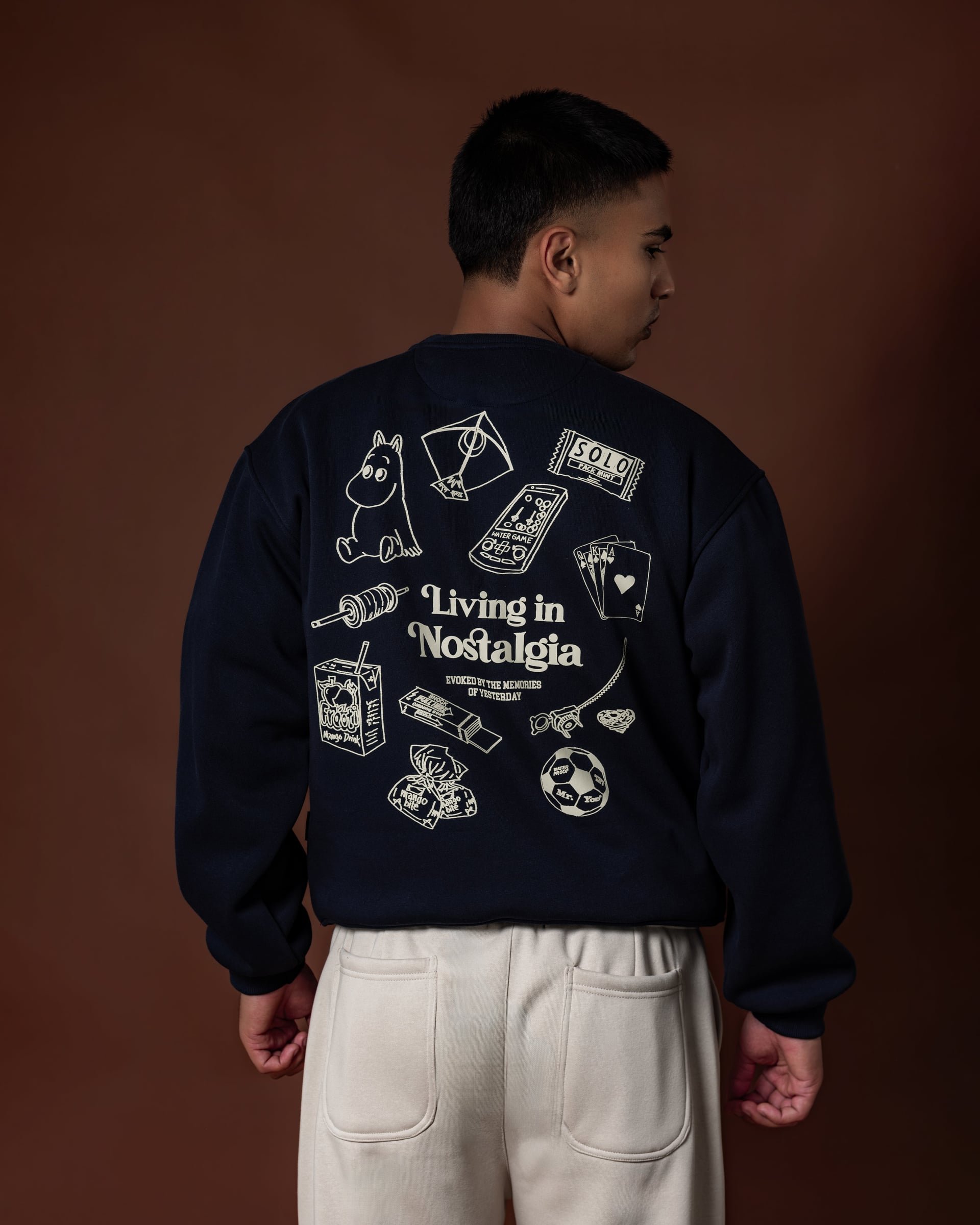
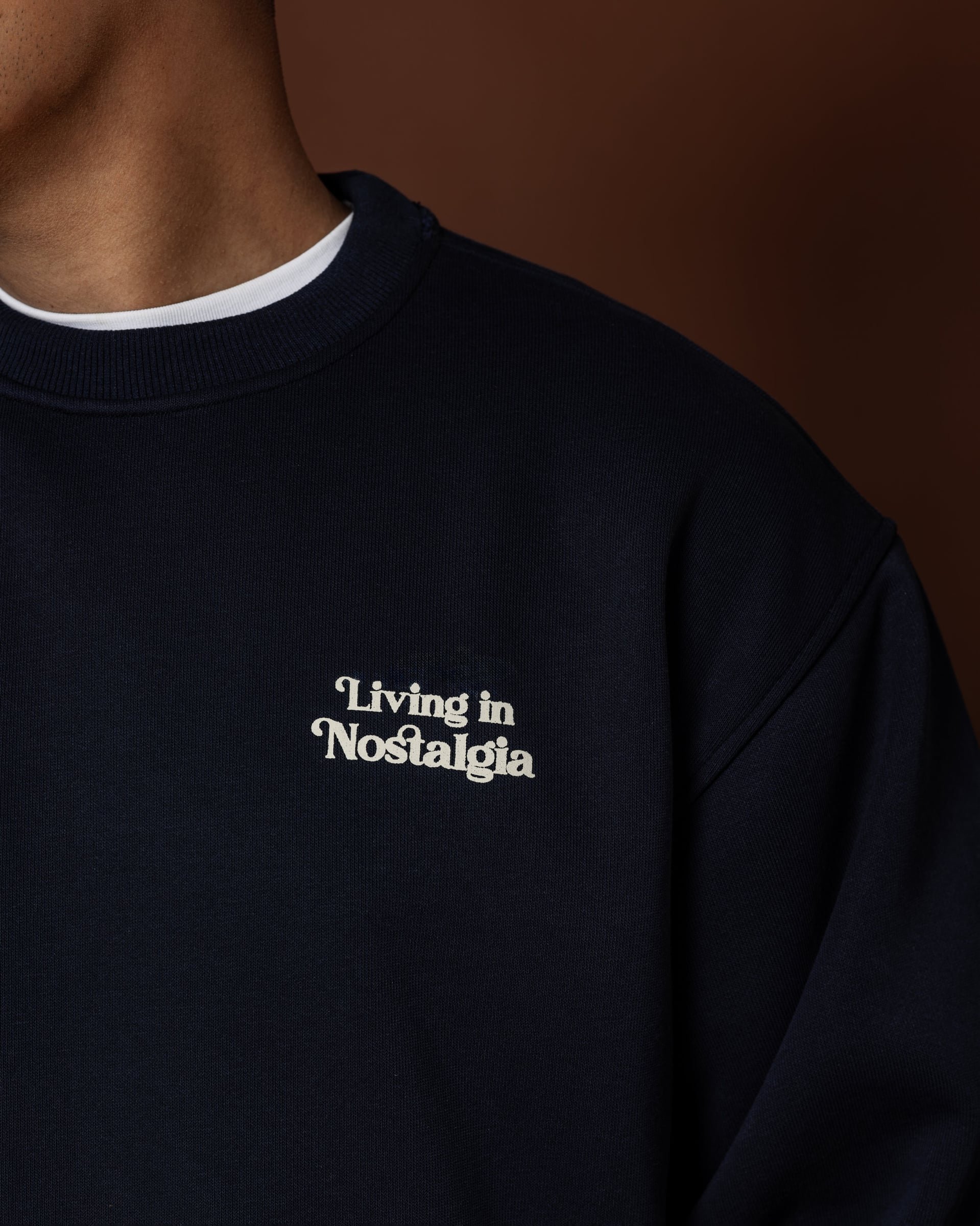
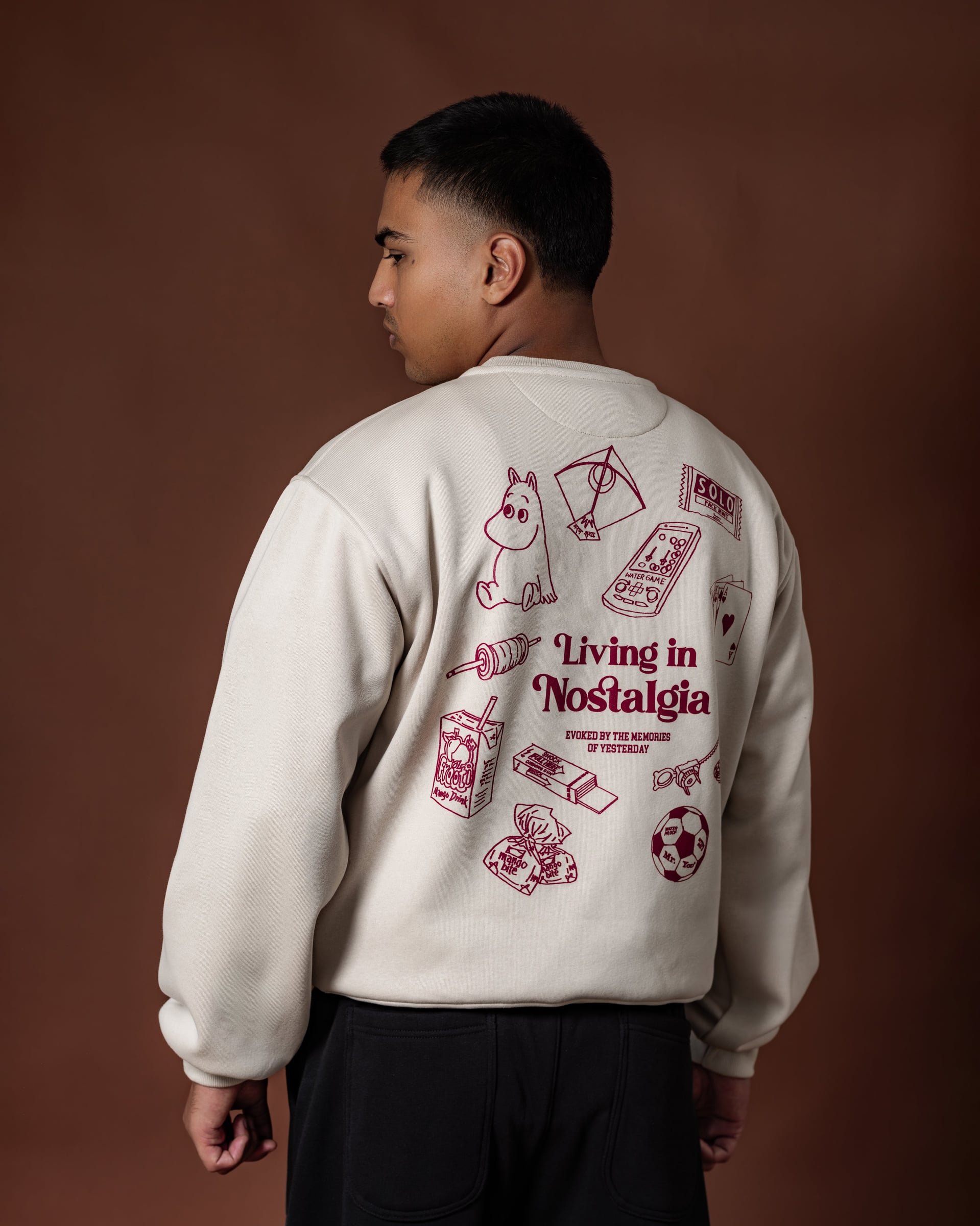
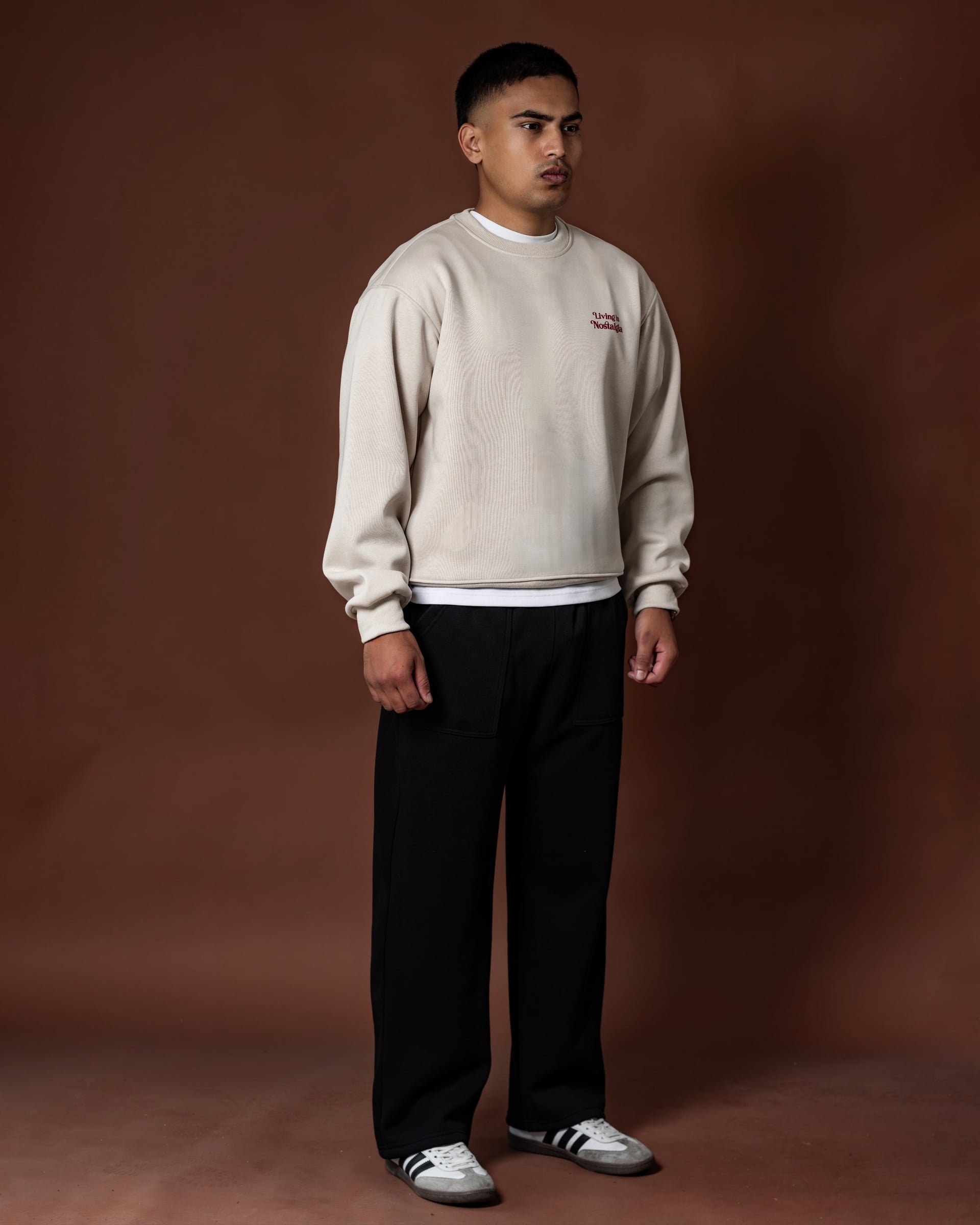
Nostalgia Sweatshirt26
Living in Nostalgia Living in Nostalgia is a collection of the small things that shaped how we grew up objects, games, snacks, and everyday experiences that feel increasingly rare today. Each element is a reminder of a simpler time, brought together to capture that familiar feeling of looking back. The design celebrates nostalgia not as a longing for the past, but as a way of keeping those memories alive.
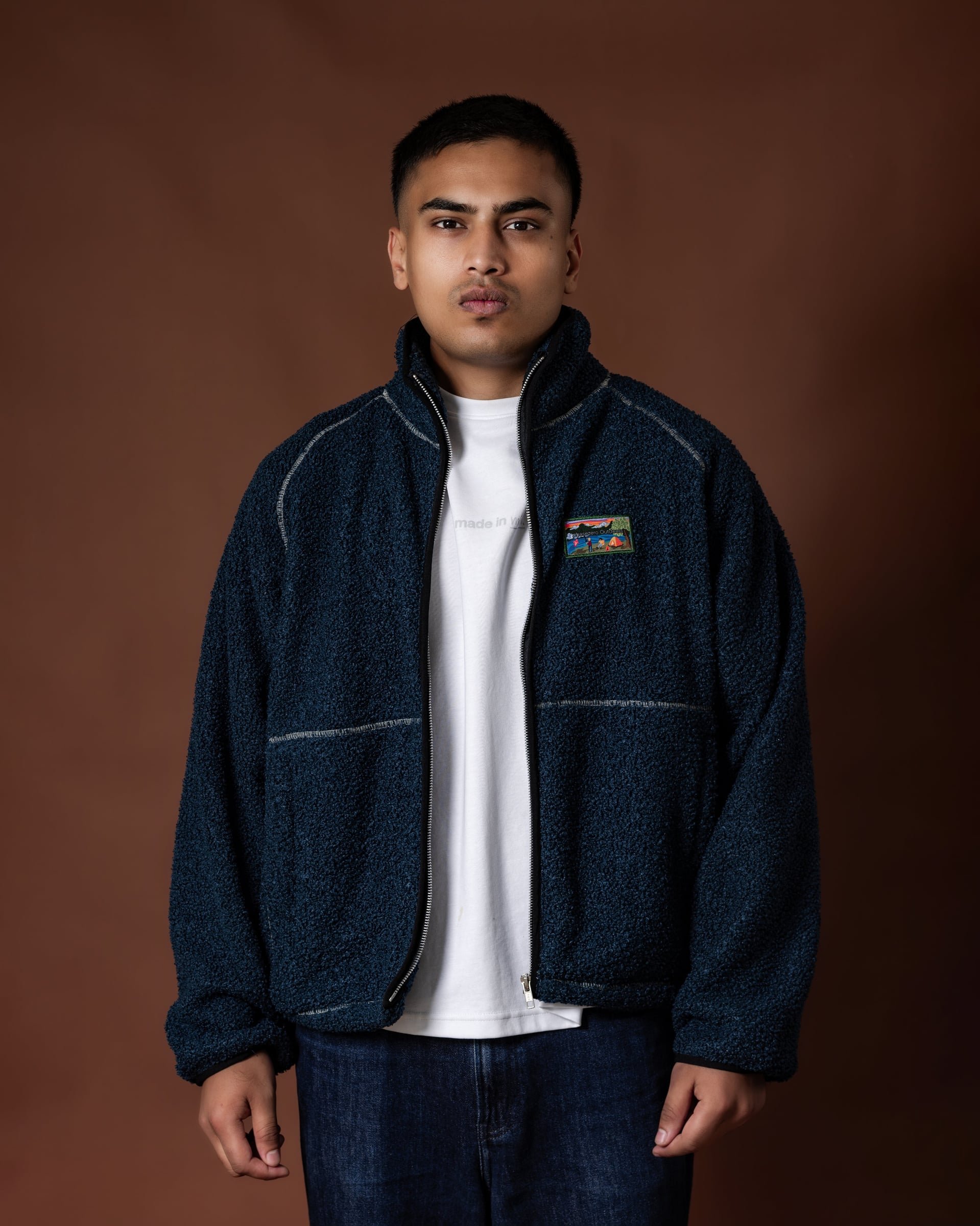
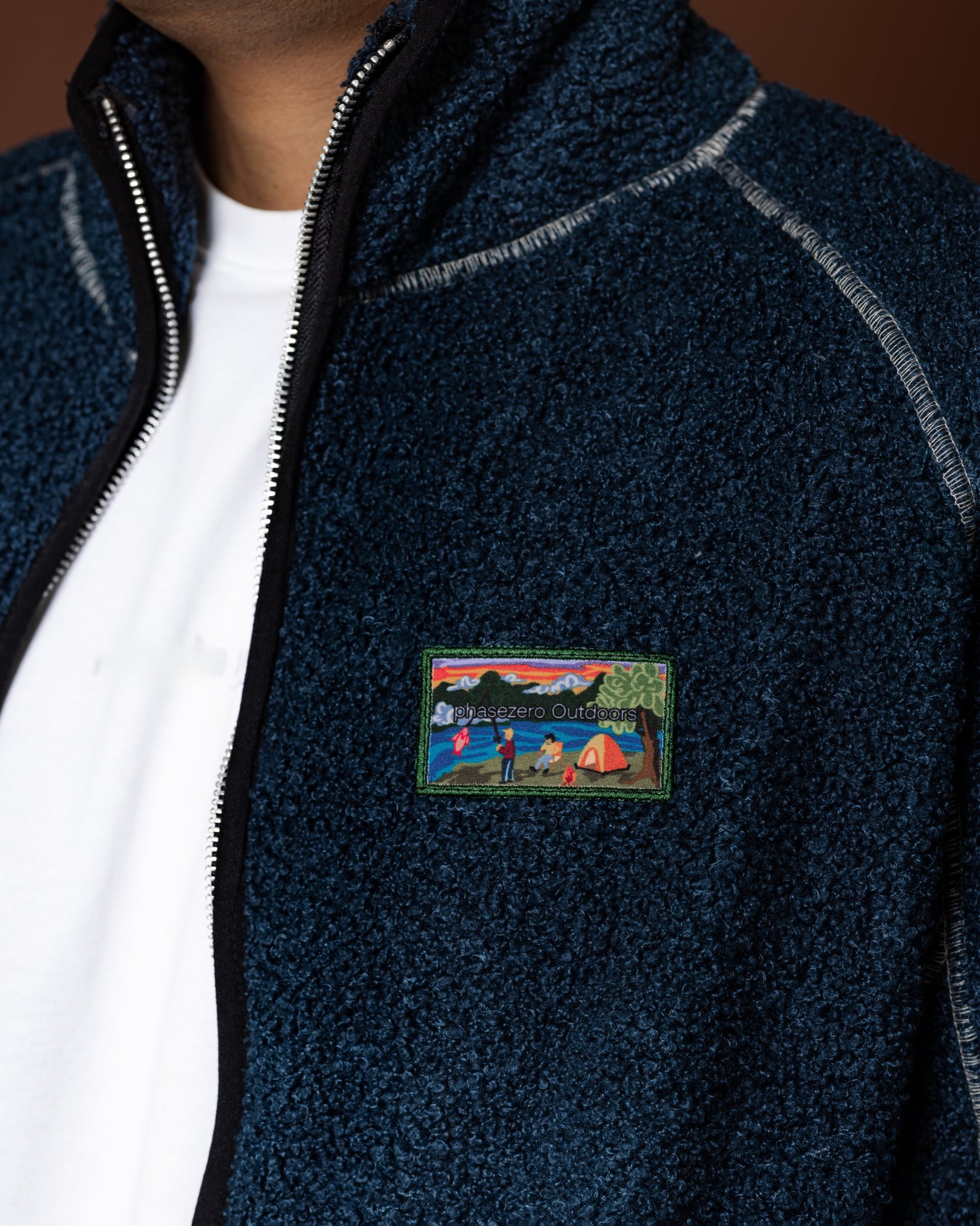
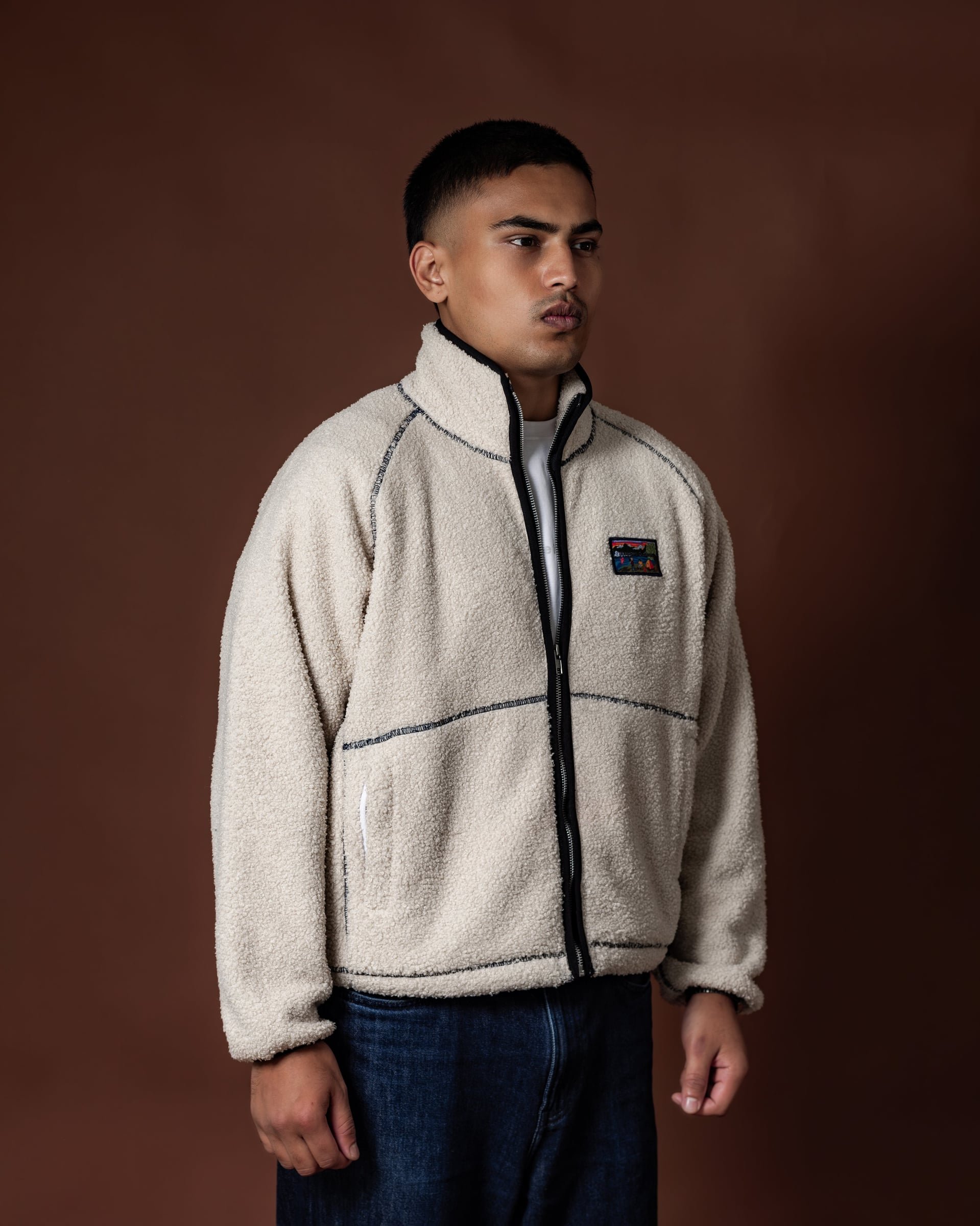
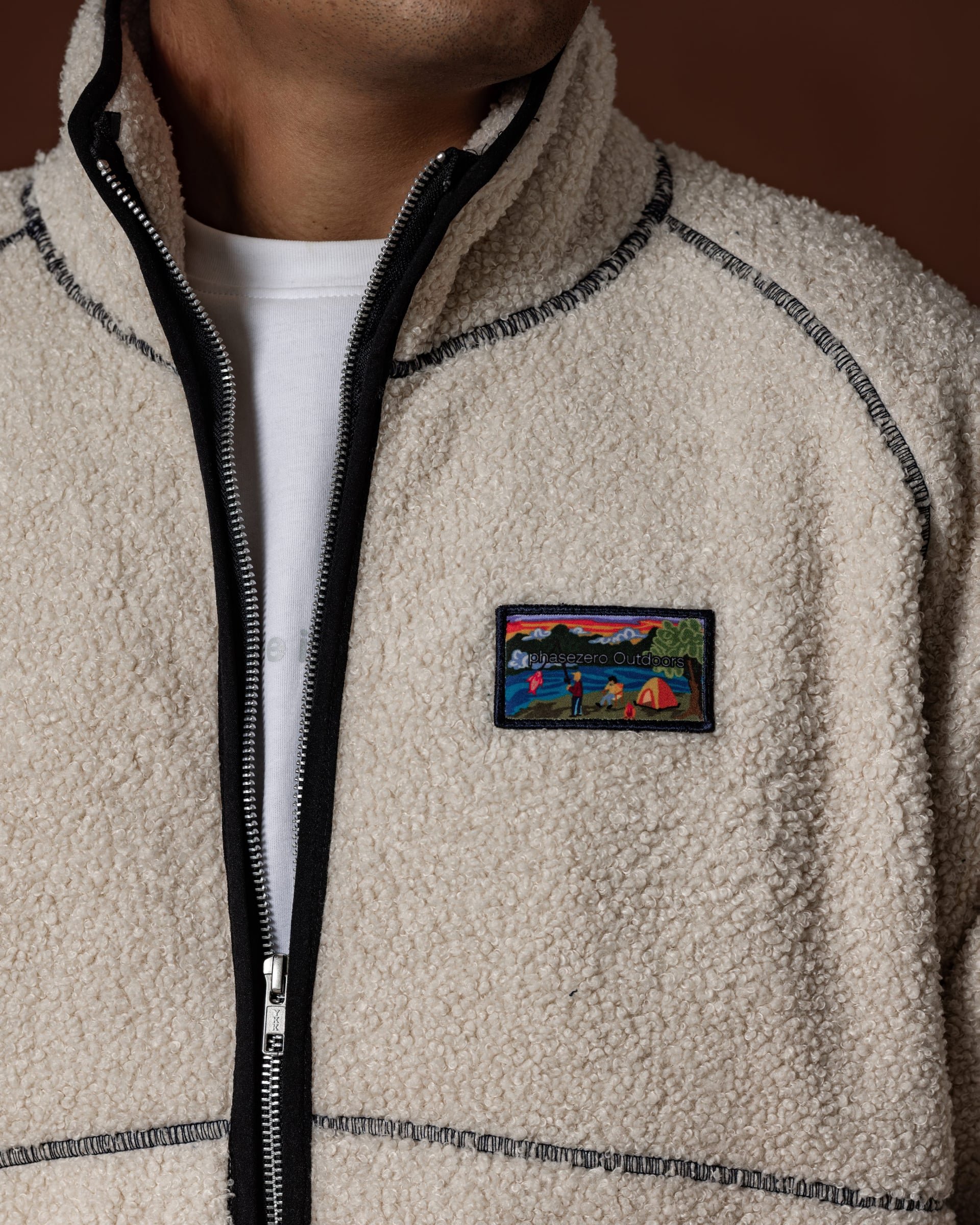
PZ Outdoors Jacket
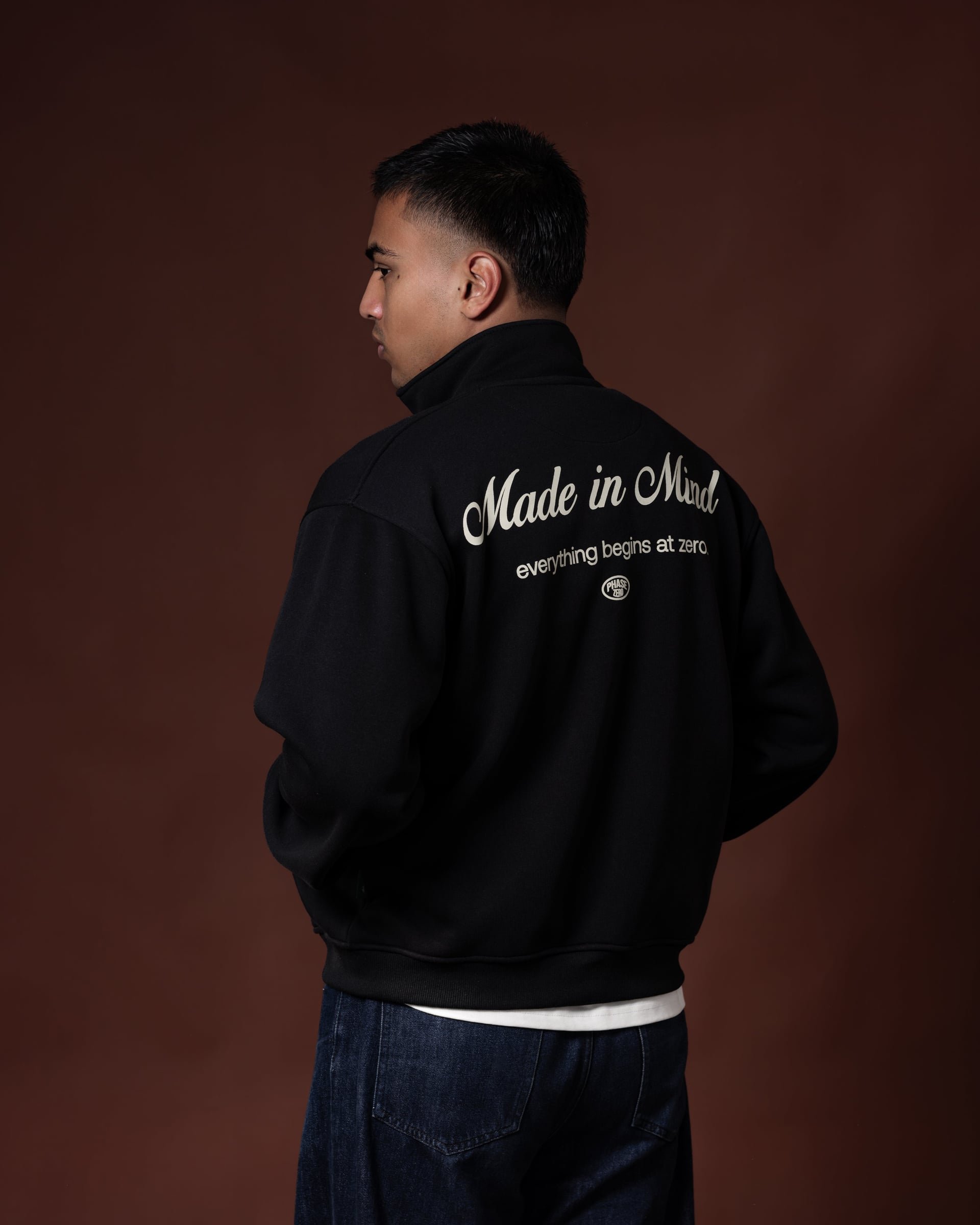
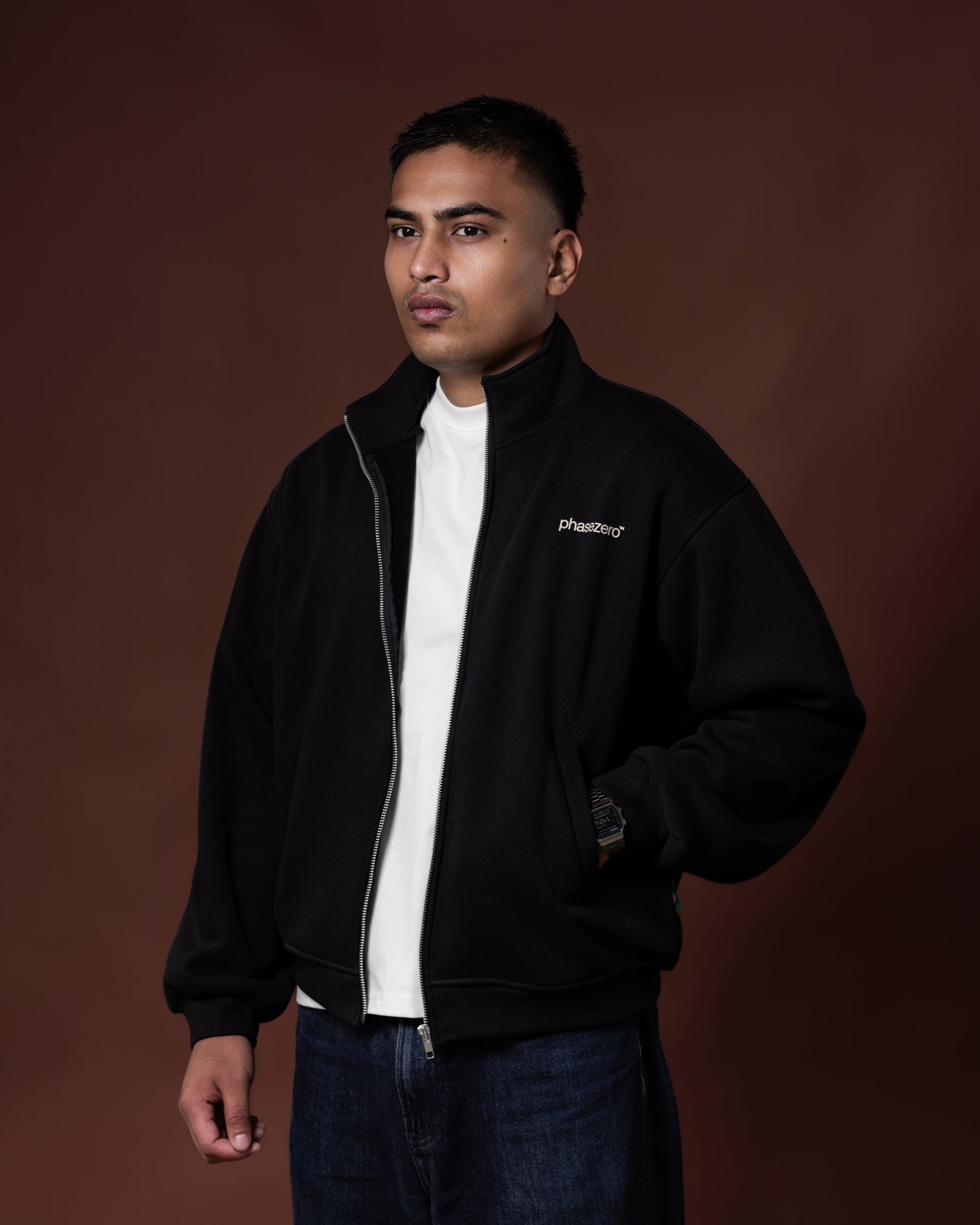
Made from 400 GSM soft cotton sherpa Fur fabric with high quality YKK zipper, built for the season.
Athleisure Jacket
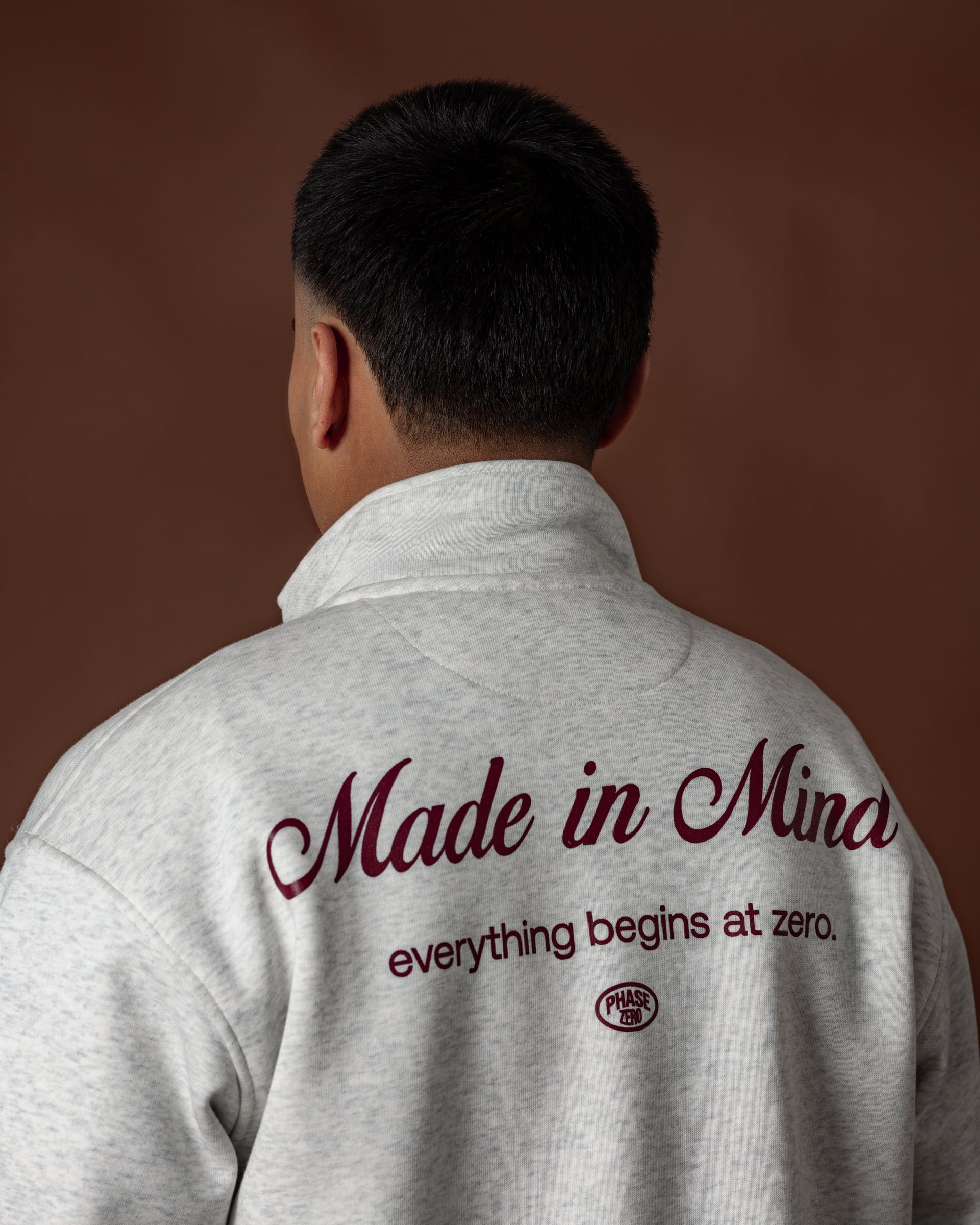
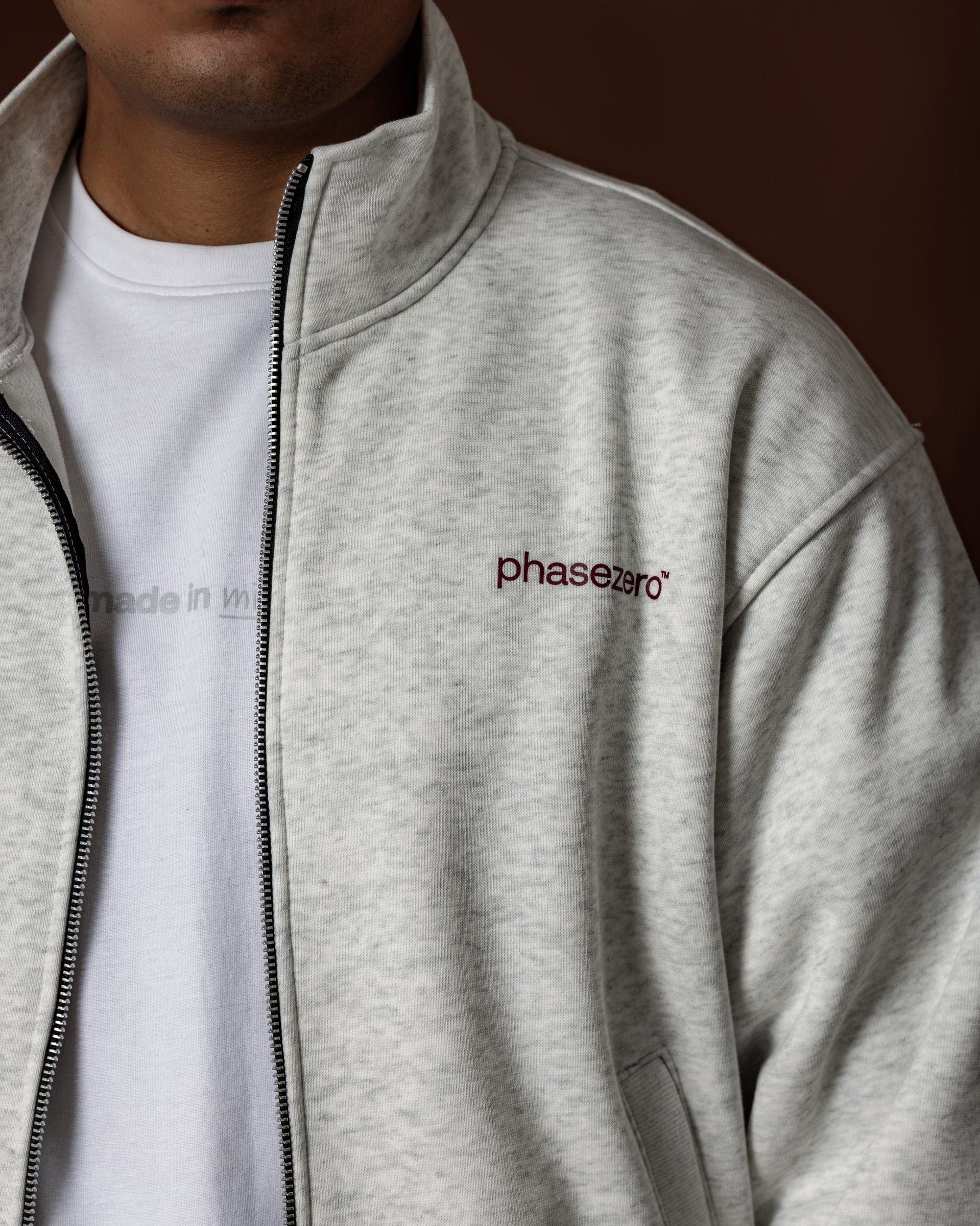
Made from 420 GSM Coterra fabric with a super-soft polar interior heavy, cozy, and built for the season.
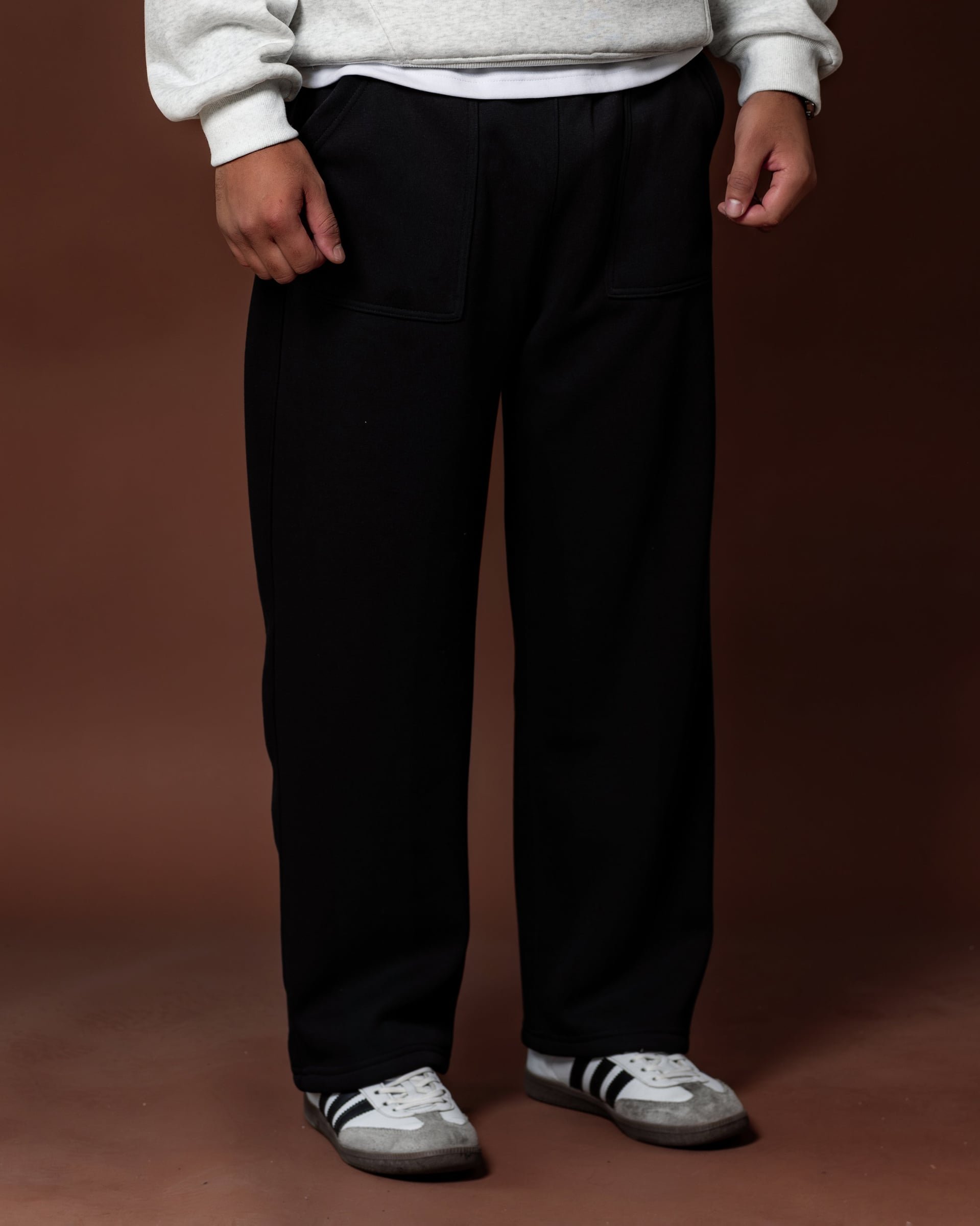
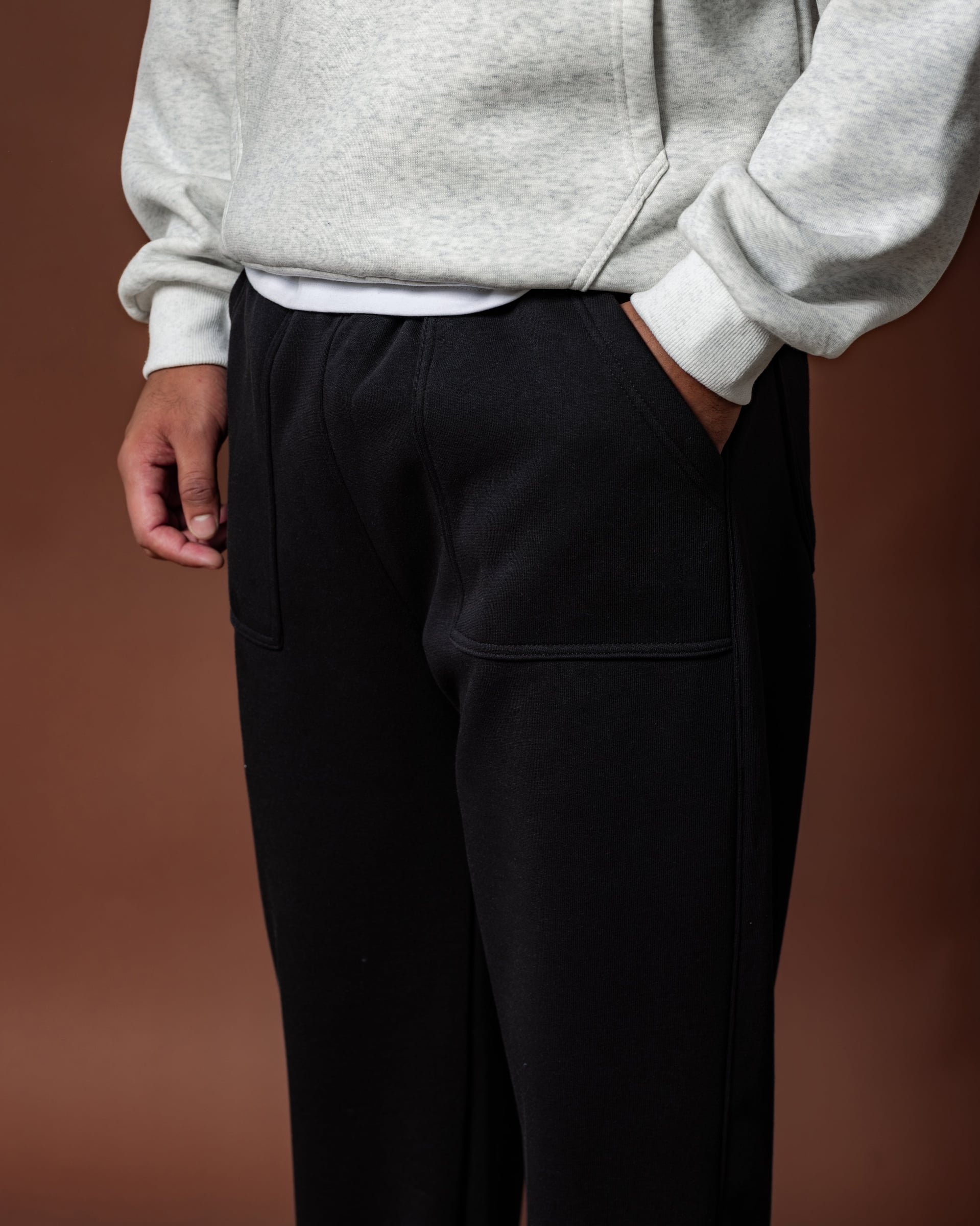
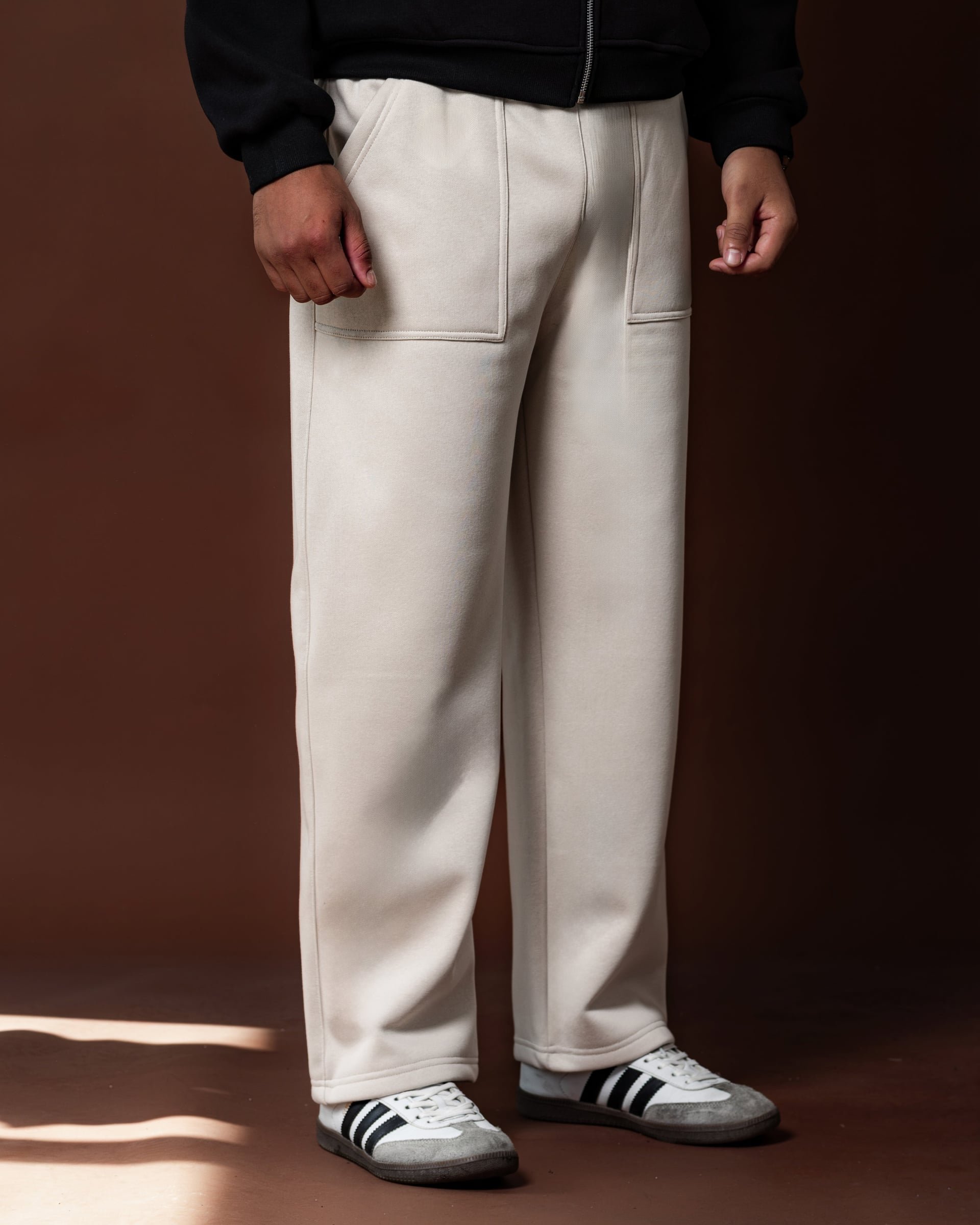
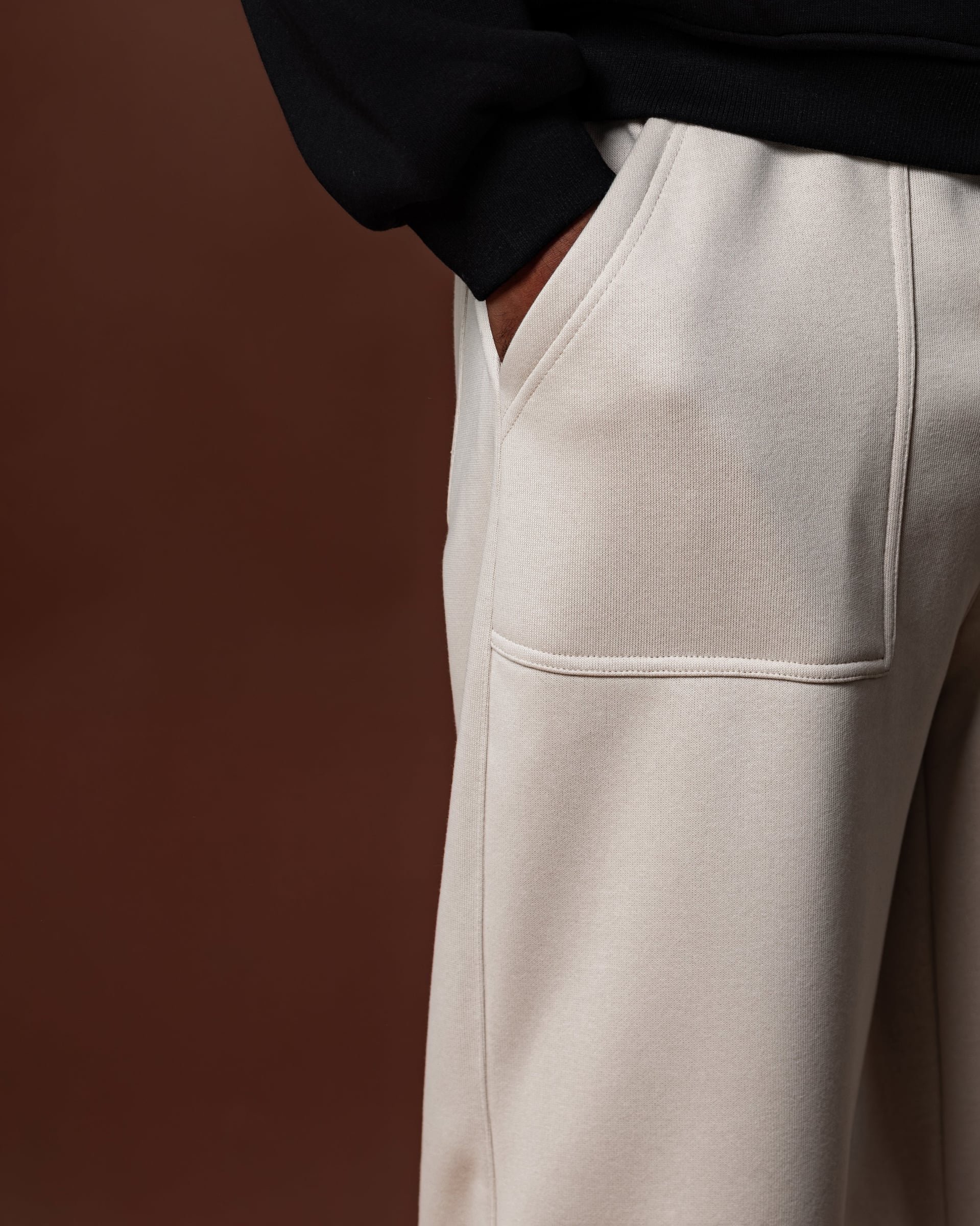
Winter trackpants
Made from 420 GSM Coterra fabric with a super-soft polar interior heavy, cozy, and built for the season.
A
FOR
ARTIST
VOL4
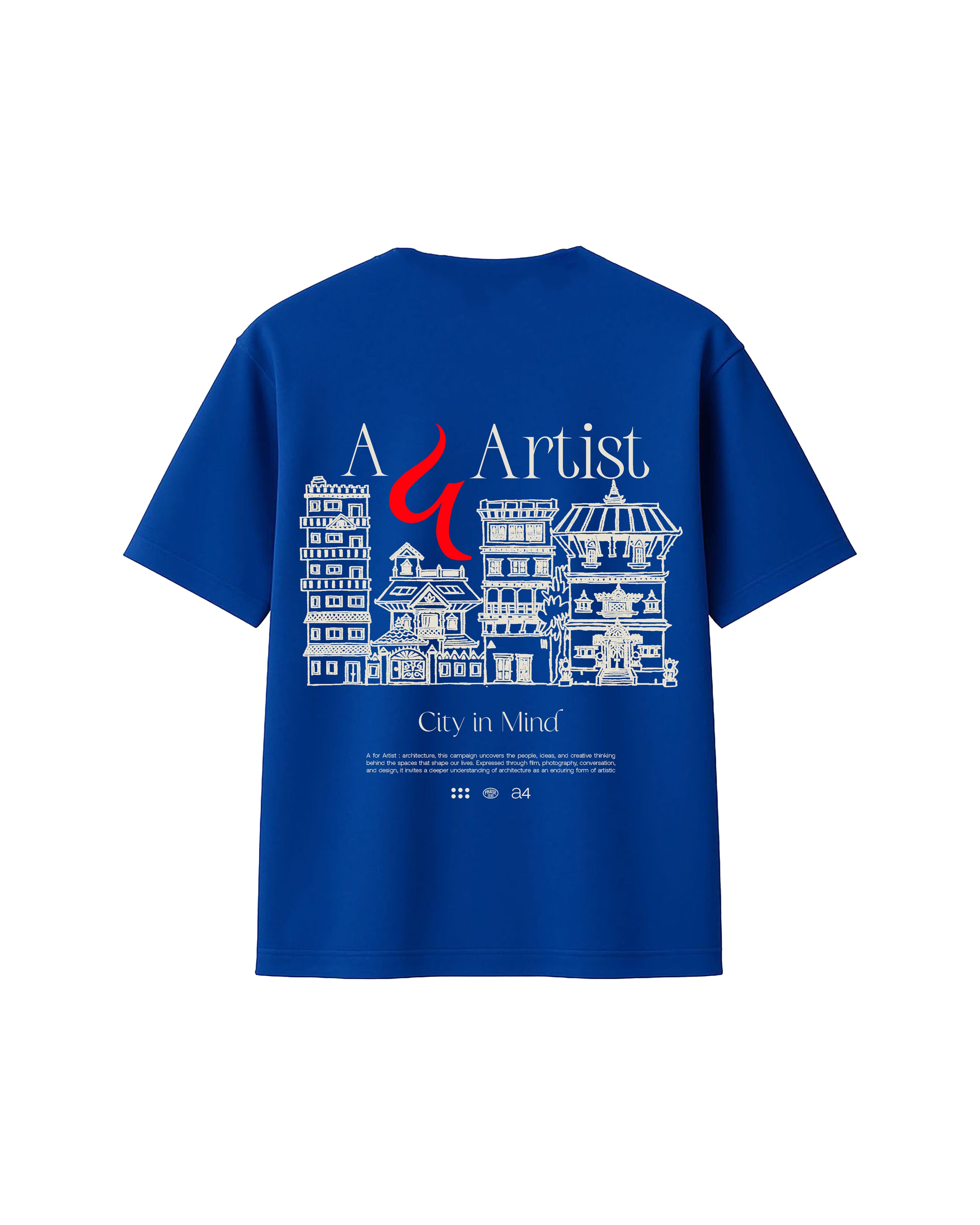
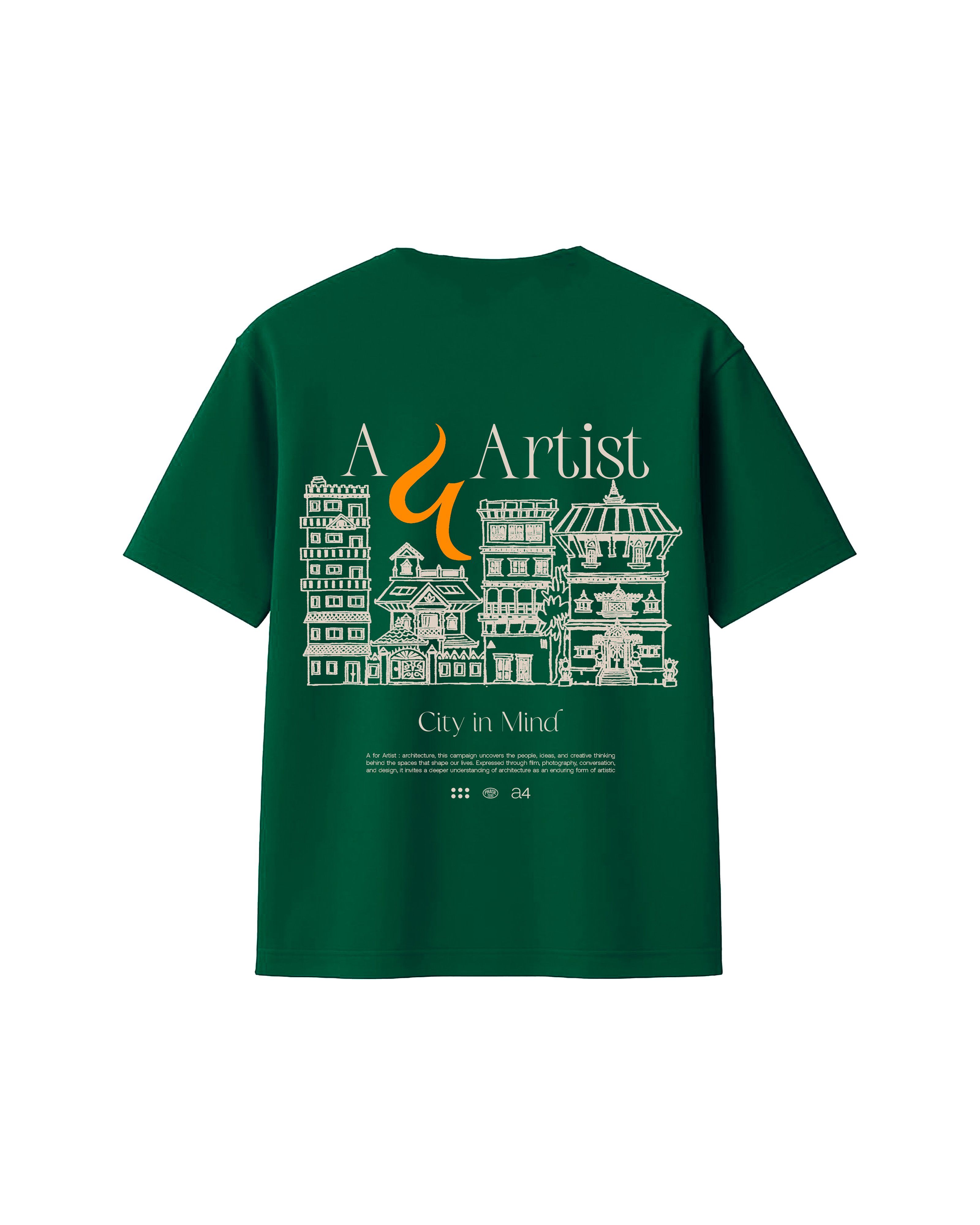
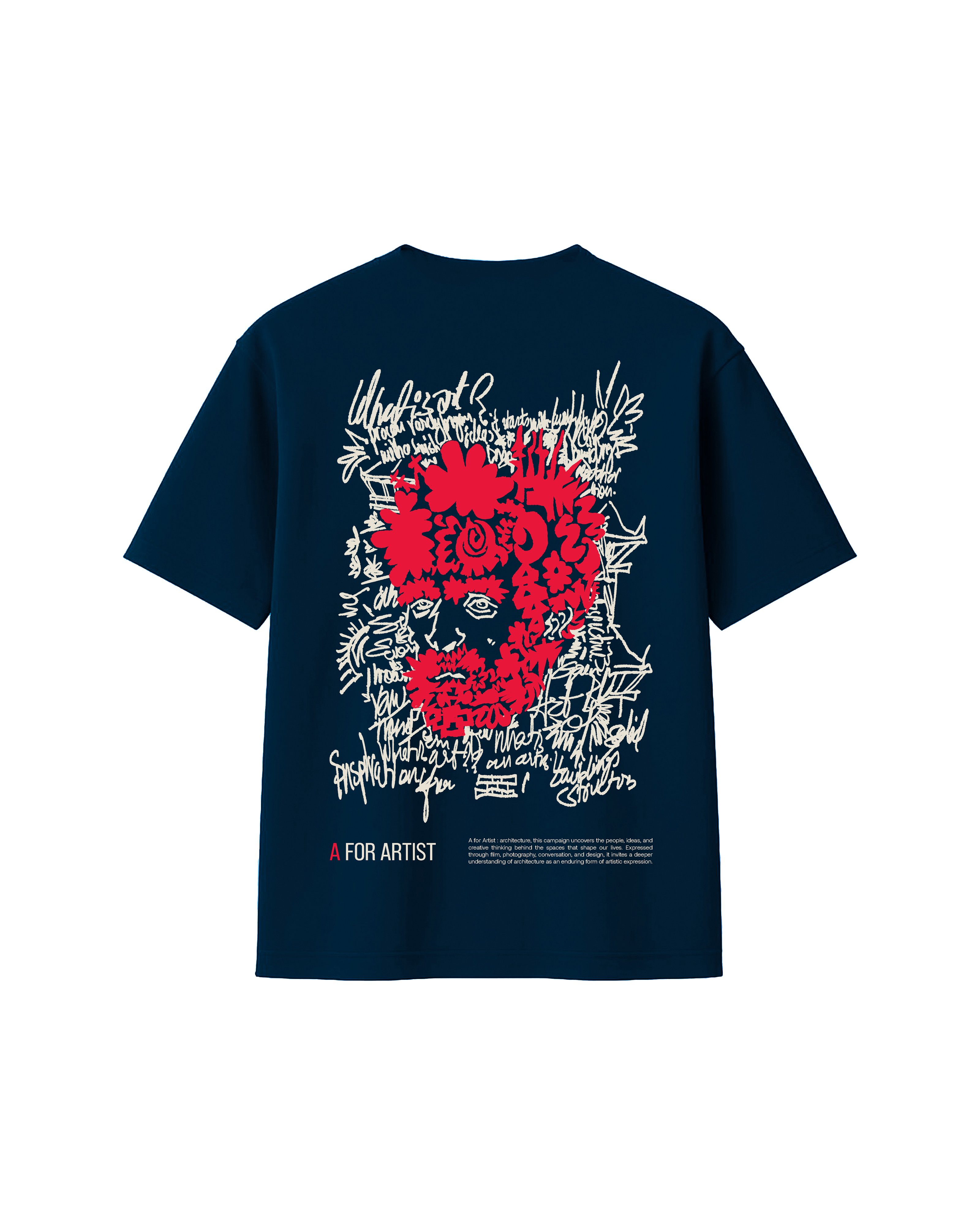
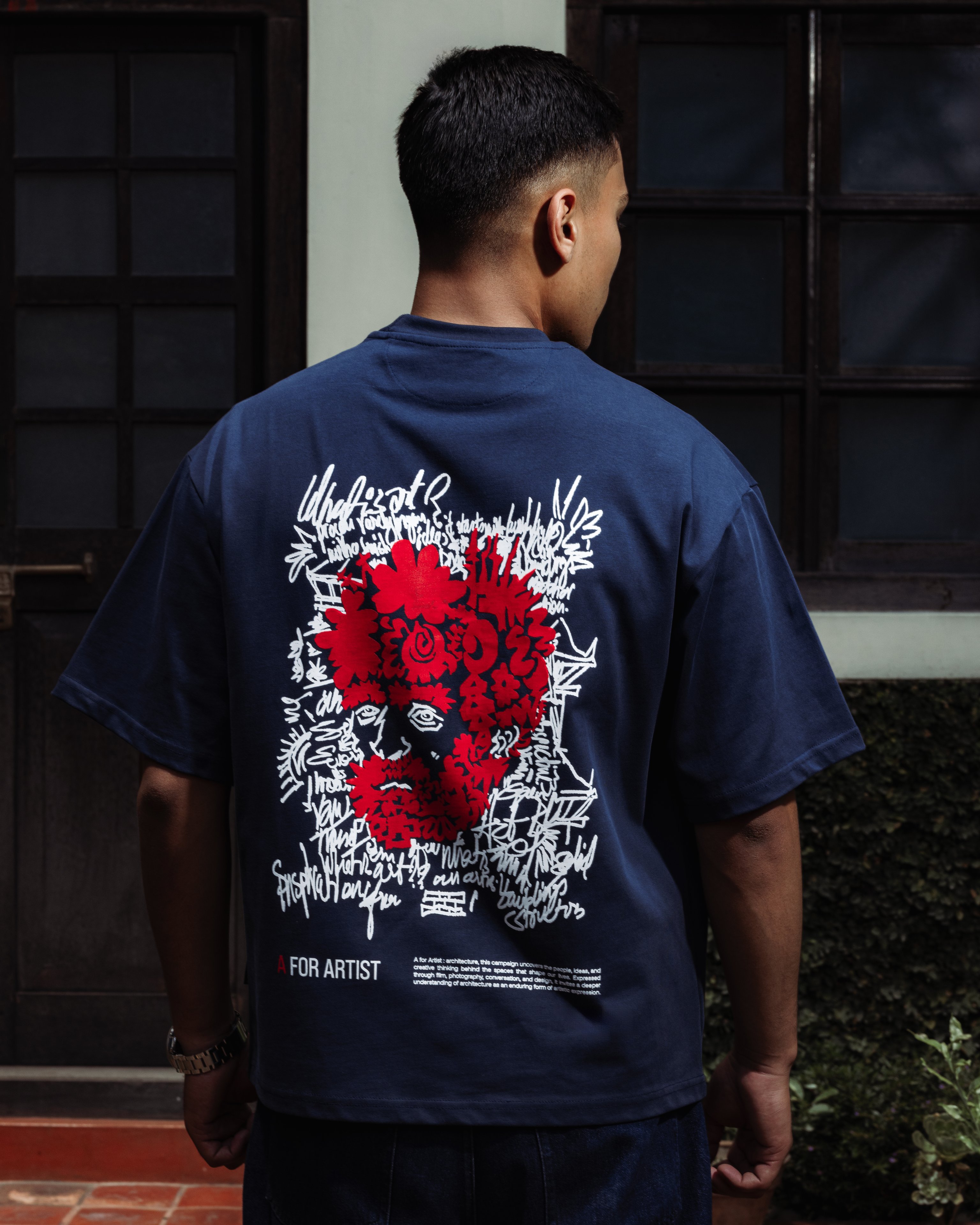
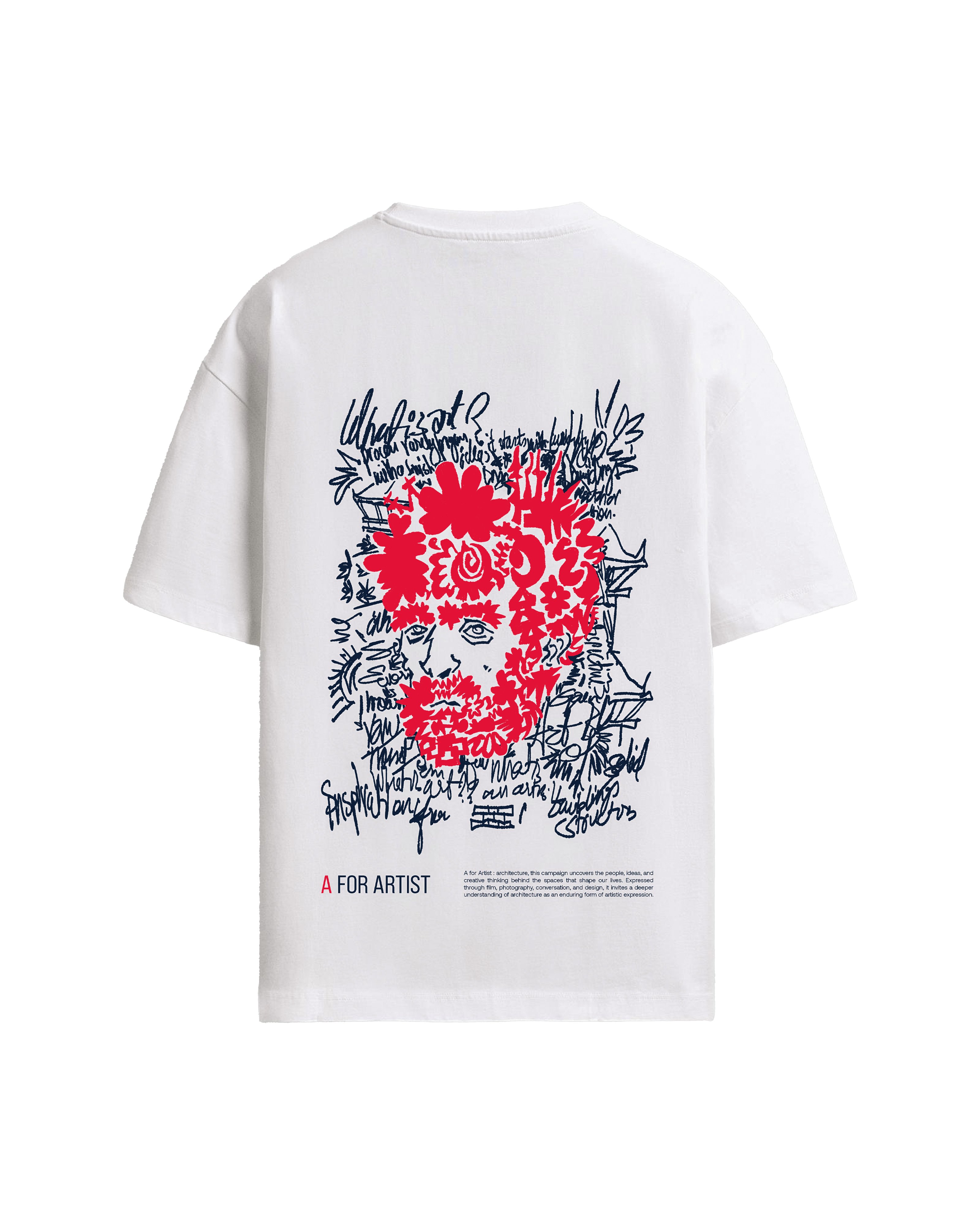
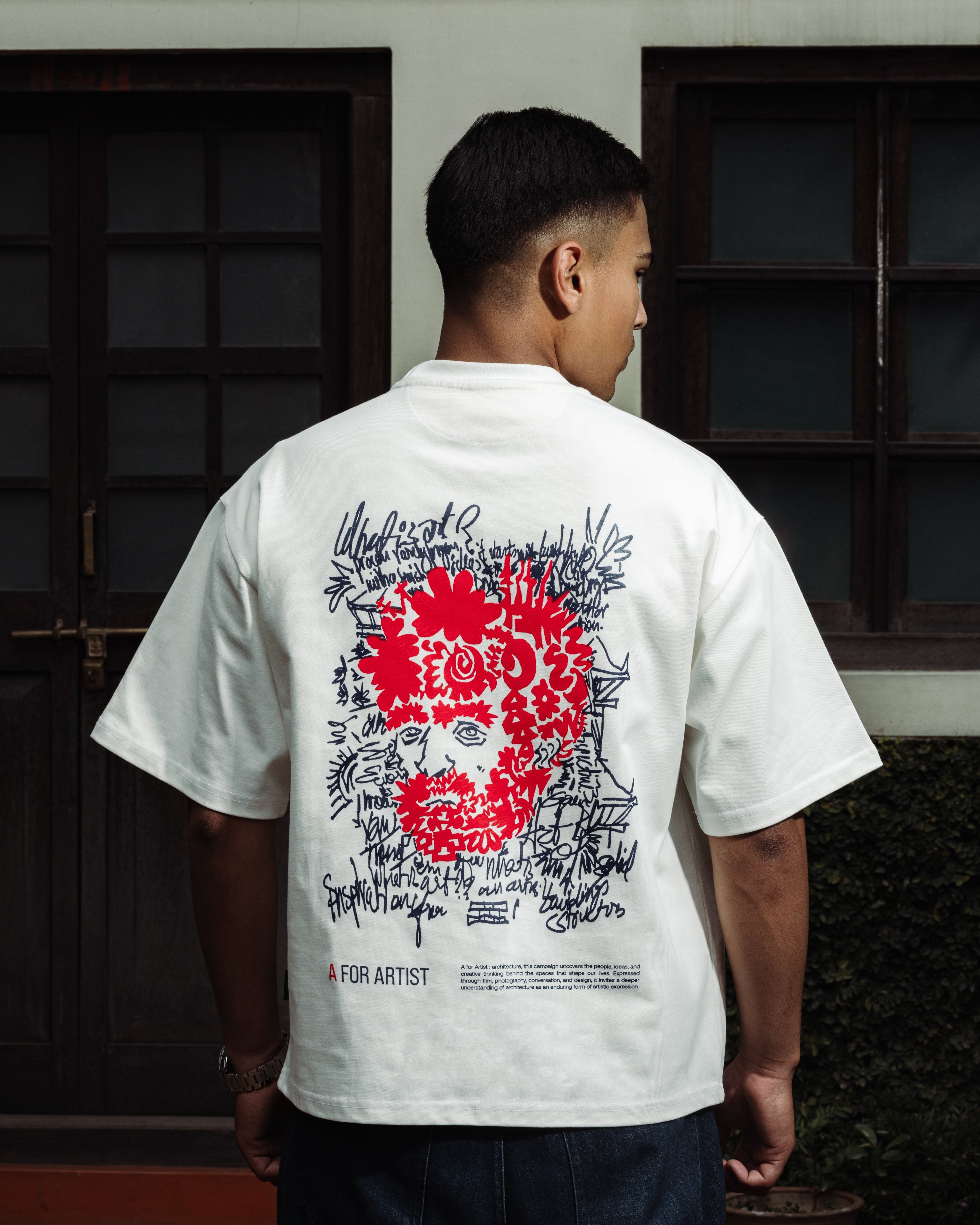
A for Artist : architecture, this campaign uncovers the people, ideas, and creative thinking behind the spaces that shape our lives. Expressed through film, photography, conversation, and design, it invites a deeper understanding of architecture as an enduring form of artistic expression.
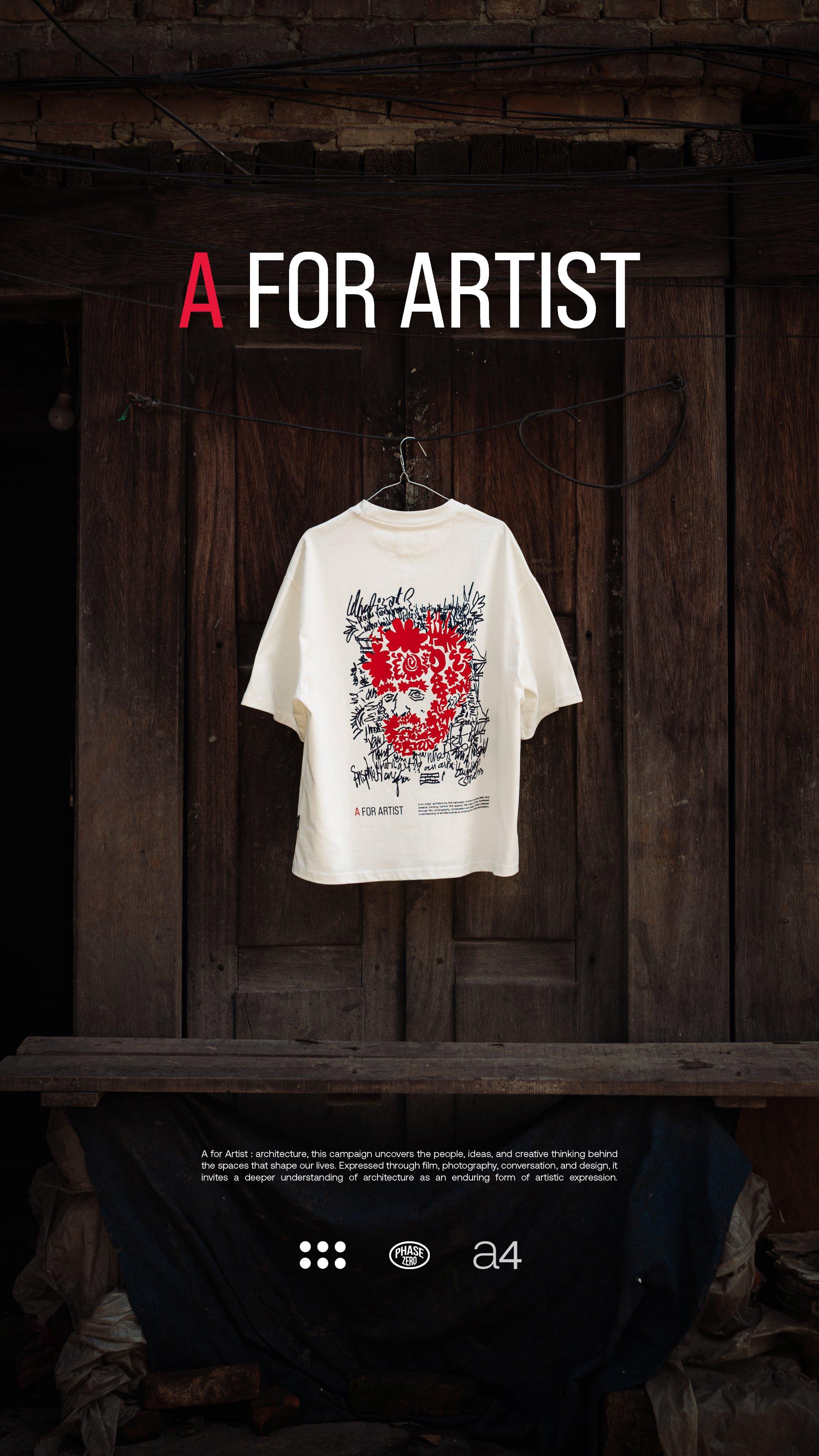
A FOR ARTIST
A FOR ARTIST : The following artwork is the design for A for Artist Issue 4. Inspired by Van Gogh's self-portrait, it reimagines the artist not through realistic features but as a collection of floral, symbols, and expressive forms. The red portrait carries the inner world creativity, emotion, imagination. The blue scribbles running through it are the noise of a creative mind: thoughts colliding, questions half-formed, ideas showing up uninvited. The layered background hints at architecture alongside handwritten notes and sketches, reinforcing the idea that artists are shaped by everything they experience. Every conversation, place, building, memory, and emotion becomes part of their visual language, turning the artwork into a portrait not just of one artist, but of the creative process itself.
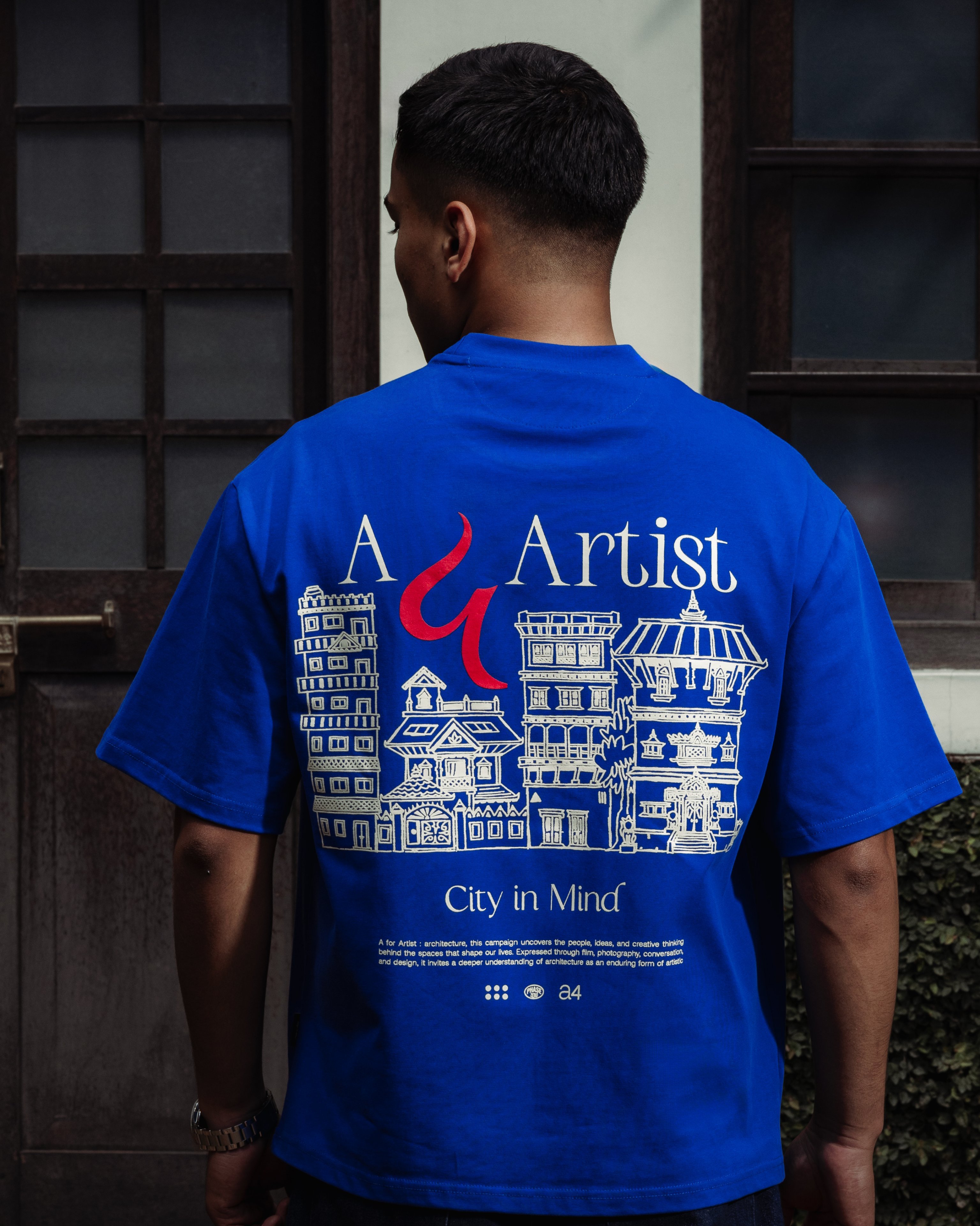
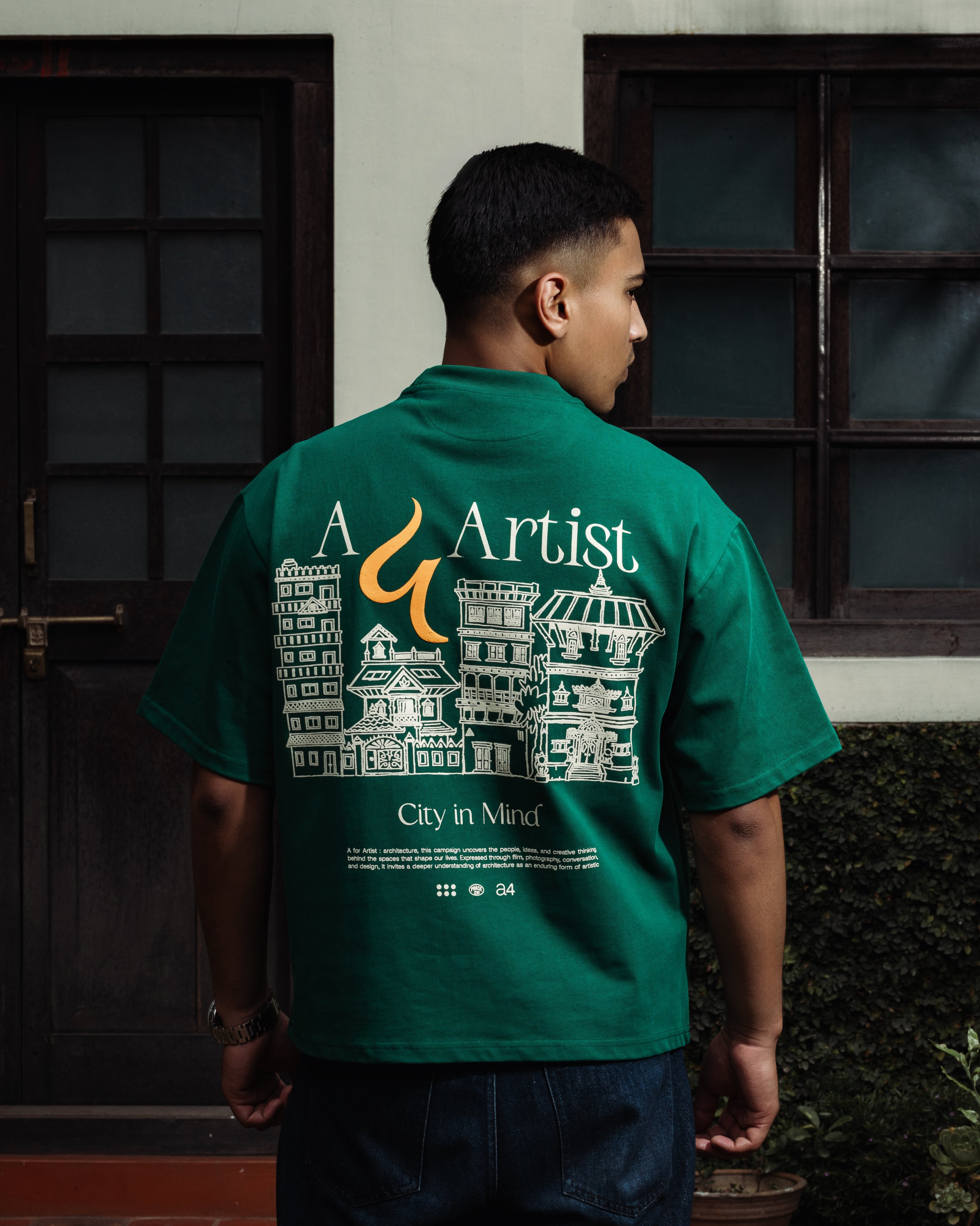
CITY IN MIND
CITY IN MIND is a reflection of Kathmandu valley's architectural landscape. The illustration brings together traditional Newari buildings, new-traditional homes, and modern concrete structures, showing how these styles just exist side by side, no real separation between old ad new. Instead of picking one landmark to focus on, it looks at the everyday buildings the ones that actually shape what the city feels like. The layout is compressed on purpose. That's Kathmandu: buildings crammed close, barely any gap between them. The mix of scale and style says something too, about the different economic backgrounds of the people living inside these walls. Architecture ends up documenting all of it quietly the city's history, it's growth, the way life here keeps shifting.